

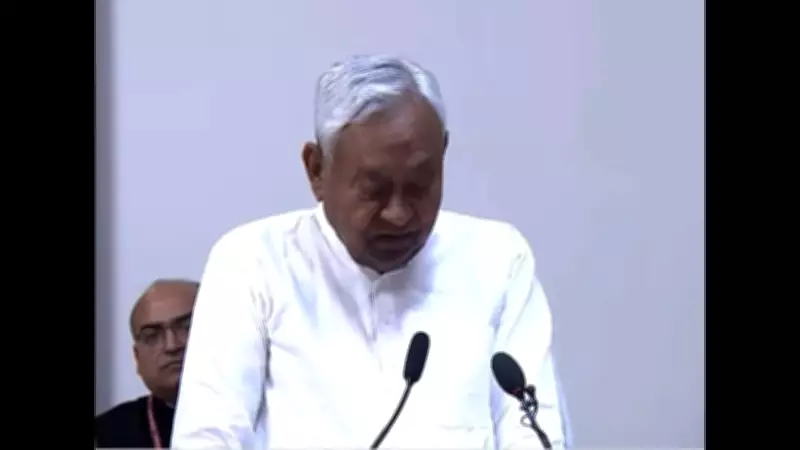
Nitish Kumar Takes Oath as Rajya Sabha Member, Paving Way for BJP Leadership in Bihar
In a significant political development, Janata Dal (United) supremo Nitish Kumar was sworn in as a Rajya Sabha MP on Friday. This event follows his historic swearing-in as Bihar chief minister for a record tenth term just months earlier. The move to the Upper House, which surprised many when announced last month, has major implications for Bihar's governance structure.
Strategic Shift Enables BJP to Assume Chief Minister Role
Kumar's transition to the Rajya Sabha effectively clears the path for the Bharatiya Janata Party (BJP), a key ally of the JD(U), to install its first chief minister in Bihar. This represents a notable shift in the state's political landscape, where leadership has traditionally been held by regional parties.
Despite his election to the Rajya Sabha, constitutional provisions allow Kumar to continue serving as chief minister for up to six months. This grace period provides continuity in administration while the BJP prepares for the leadership transition.

Background: Bihar Assembly Election Results
The political maneuvering follows the outcome of last November's Bihar assembly elections, where:
- The BJP emerged as the largest single party in the legislative assembly
- The JD(U) secured the second-highest number of seats
- The alliance between the two parties proved crucial in forming the government
Kumar's decision to move to the Rajya Sabha, rather than contesting or retaining a seat in the Bihar legislative assembly, reflects a strategic recalibration of his political role. This development underscores the evolving dynamics within the National Democratic Alliance (NDA) in Bihar and sets the stage for potential changes in the state's administrative leadership in the coming months.






