Nitish Kumar's Transition to Rajya Sabha Sets Stage for BJP Leadership in Bihar
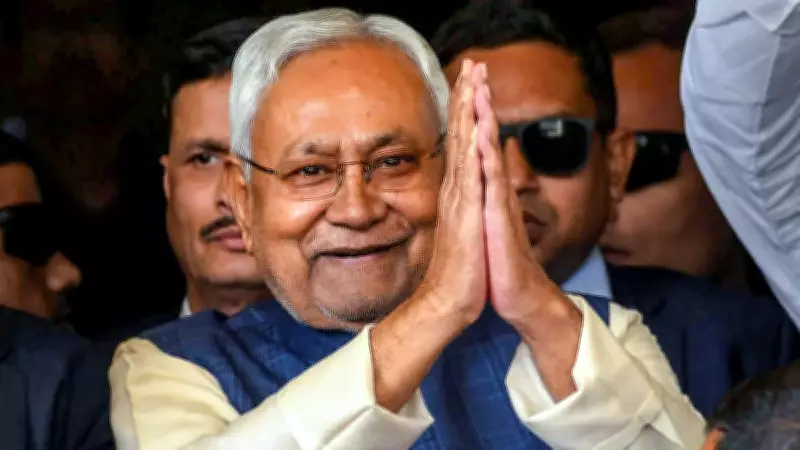
In a significant political development, Nitish Kumar has announced his intention to move to the Rajya Sabha, effectively shifting his focus to national politics. This strategic decision, communicated via a post on the social media platform X, is poised to have profound implications for the governance of Bihar, as it clears the path for the Bharatiya Janata Party (BJP) to assert its claim to the chief minister's position in the state.
Implications of Kumar's National Political Ambitions
The announcement marks a pivotal moment in Bihar's political landscape, with Kumar's departure from state-level leadership creating a vacuum that the BJP is expected to fill. By opting for a Rajya Sabha berth, Kumar is aligning himself with broader national issues, potentially influencing policy debates at the central level. This move underscores a calculated shift in his political career, emphasizing a transition from regional governance to a more expansive role in India's parliamentary framework.
As Kumar steps back from direct state administration, the BJP is likely to leverage this opportunity to consolidate its influence in Bihar. The party has been a key player in the state's coalition politics, and Kumar's exit provides a clear opening to install a chief minister from its own ranks. This could lead to a realignment of power dynamics, with the BJP aiming to strengthen its foothold and implement its agenda more directly in Bihar's governance structures.

Potential Outcomes and Political Ramifications
The BJP's anticipated move to pick a chief minister from its party could reshape Bihar's political trajectory. This development may foster greater coordination between the state and central governments, potentially accelerating development projects and policy initiatives. However, it also raises questions about the future of coalition partnerships and the role of other regional parties in Bihar's political ecosystem.
Observers note that this transition reflects broader trends in Indian politics, where national parties are increasingly asserting control over state leadership. Kumar's decision to join the Rajya Sabha is seen as a strategic maneuver to maintain relevance on the national stage while allowing the BJP to take charge locally. The coming weeks are expected to be crucial as the BJP finalizes its candidate for the chief minister's post, with implications for governance, electoral strategies, and inter-party relations in Bihar.
In summary, Nitish Kumar's shift to the Rajya Sabha is a landmark event that not only redefines his political career but also sets the stage for the BJP to potentially lead Bihar. This development highlights the evolving dynamics of Indian federalism and the interplay between regional and national political forces.