

No-Confidence Motion Against Lok Sabha Speaker Om Birla to Be Debated and Voted on March 9
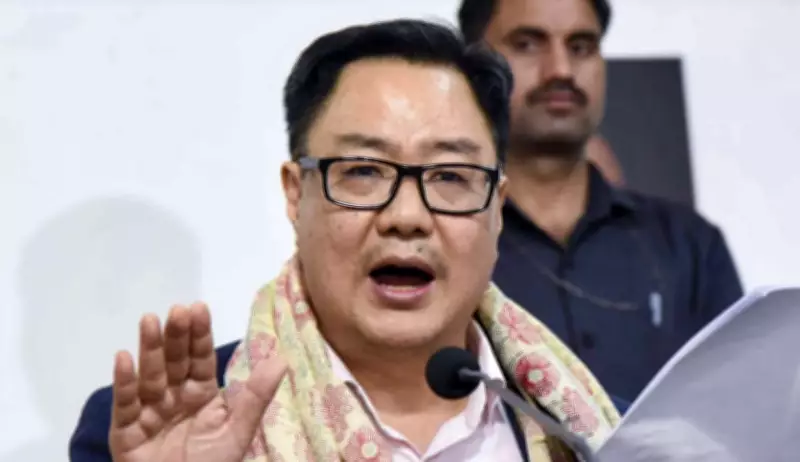
In a significant development in India's parliamentary proceedings, Parliamentary Affairs Minister Kiren Rijiju has officially announced that the debate and vote on the no-confidence motion aimed at removing Lok Sabha Speaker Om Birla will be taken up on March 9, 2026. This announcement comes amid heightened political tensions and strategic maneuvering within the legislative body, marking a critical moment in the current parliamentary session.
Background and Context of the Motion
The no-confidence motion against Speaker Om Birla was introduced by opposition parties, citing concerns over his conduct and alleged partiality in parliamentary proceedings. This move represents a rare and bold challenge to the presiding officer of the lower house, reflecting deep-seated disagreements and power struggles in the political landscape. Historically, such motions are infrequent and often signal major rifts within the ruling coalition or between the government and opposition.
Om Birla, who has served as the Lok Sabha Speaker since 2019, is known for his efforts to maintain decorum and streamline parliamentary functions. However, critics argue that his tenure has been marred by controversies, including accusations of bias in allowing debates and managing disruptions. The motion's timing, set for early March 2026, aligns with key legislative agendas and could impact upcoming policy discussions and budget sessions.

Implications for Parliamentary Democracy
The scheduling of this vote on March 9 underscores the procedural importance of such motions in India's democratic framework. A no-confidence motion against the Speaker requires a simple majority in the Lok Sabha to pass, and if successful, it would lead to Birla's removal and necessitate the election of a new Speaker. This process could trigger political realignments and affect the stability of the government, especially if it exposes vulnerabilities in the ruling party's support base.
Kiren Rijiju's announcement has sparked widespread debate among political analysts and stakeholders. Supporters of the motion view it as a necessary check on executive overreach and a step toward greater accountability in parliamentary leadership. Conversely, proponents of Speaker Birla argue that the motion is politically motivated and could undermine the impartiality and authority of the Speaker's office, potentially setting a precedent for future disruptions.
Key Players and Political Dynamics
The motion has brought to the forefront key political figures and parties. Opposition leaders have rallied behind the no-confidence move, leveraging it as a tool to challenge the government's dominance and highlight issues of governance. On the other hand, the ruling party and its allies are expected to defend Speaker Birla vigorously, emphasizing his contributions to parliamentary efficiency and his role in fostering bipartisan cooperation.
As the date approaches, all eyes will be on the Lok Sabha proceedings, with the outcome likely to influence public perception and electoral strategies. The debate on March 9 is anticipated to be intense, with both sides preparing detailed arguments and mobilizing their members to ensure maximum participation in the vote. This event could serve as a litmus test for the strength of political alliances and the overall health of India's democratic institutions.
Looking Ahead: What to Expect
In the lead-up to March 9, 2026, political observers predict increased lobbying and negotiations behind the scenes. The vote's result will not only determine Om Birla's fate but also send ripples through the political ecosystem, affecting legislative productivity and inter-party relations. Regardless of the outcome, this episode highlights the dynamic nature of Indian politics and the ongoing evolution of parliamentary norms and practices.

Stakeholders, including citizens, media, and international watchers, are advised to monitor developments closely, as the no-confidence motion against the Lok Sabha Speaker represents a pivotal moment in the nation's democratic journey. The proceedings on March 9 will be a testament to the resilience and adaptability of India's parliamentary system in addressing internal challenges and upholding democratic values.





