The special intensive revision of electoral rolls has sparked significant activity in Uttar Pradesh's Gautam Budh Nagar and Ghaziabad districts. Since the process began in November last year, these two districts have collectively received more than 1.2 lakh new applications from citizens seeking to register as voters.
Application Numbers and Processing
Officials provided specific breakdowns of the applications received. Ghaziabad district recorded 71,000 Form 6 applications, while Gautam Budh Nagar received 32,000. These applications were submitted during the enumeration phase of the revision process.
According to Election Commission guidelines, these applications were deliberately excluded from the draft electoral rolls published on January 6. The forms will now undergo a systematic verification process. They will be digitized first, then verified at the field level by election officials. Only those applications found eligible will eventually be included in the final electoral rolls.

Address Changes and Fresh Applications
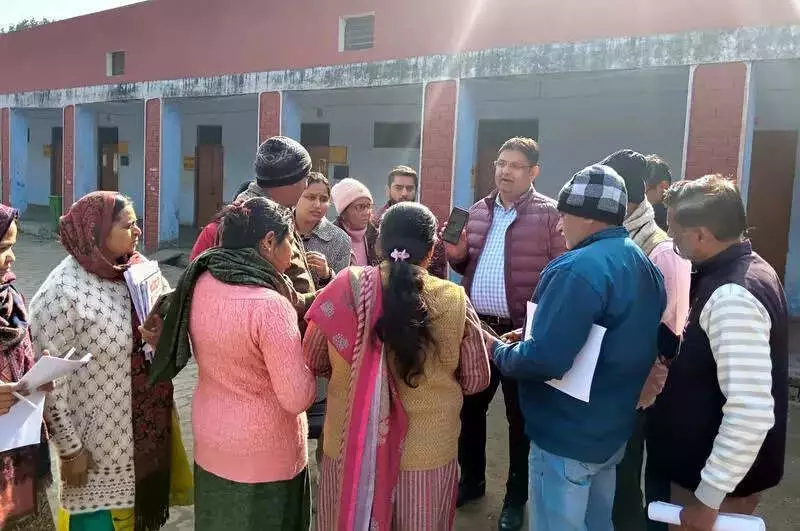
Election officials clarified an important point about voters who have changed addresses within the same district. Many voters were marked as 'shifted' in the electoral database, even though they continue to reside within the district boundaries. These individuals must submit fresh applications using Form 6 to update their voting records.
Noida Additional District Magistrate Atul Kumar explained the requirement clearly. "If they reside in the district at a new address, they have to submit Form 6 as new applicants. These names will be added to the final roll," he stated. Kumar further noted that Form 6 applications are expected to increase in the coming days as more citizens become aware of the revision process.
Electorate Size Changes
The draft electoral rolls revealed significant changes in voter numbers for both districts. Gautam Budh Nagar, which includes Noida, Dadri and Jewar constituencies, saw its electorate size decrease substantially. The draft roll showed 14.3 lakh voters, down from the previous 18.7 lakh voters.
Ghaziabad experienced an even sharper reduction. The draft roll reflected 20.1 lakh voters, compared to the earlier electorate of 28.4 lakh. This represents a significant decrease in registered voters for the district.
Reasons for Deletions and Unmapped Voters
During the revision process, election officials deleted nearly 8 lakh voters in Ghaziabad and over 4 lakh in Gautam Budh Nagar. At least half of these deletions were categorized as "shifted," meaning the voters had changed addresses.
Additionally, the two districts have approximately three lakh voters whose names appear in the draft roll but are classified as "unmapped." This classification means their details could not be confirmed against the 2003 base rolls maintained by the Election Commission.
Currently, electoral registration officers are serving notices to these unmapped voters through booth-level officers. The notices ask voters to establish their eligibility by providing necessary documentation. This verification process is crucial for maintaining accurate voter lists.
Timeline and Special Campaigns
The electoral roll revision follows a strict timeline set by election authorities. The window for submitting objections and claims will close on February 26. Following this deadline, the final electoral rolls will be published on March 6.
To support the intensive revision process, Uttar Pradesh's chief electoral officer has announced three special campaign days across the state. These campaigns will occur on January 18, January 31, and February 1. Each district election officer will also fix a fourth campaign date based on local requirements, ensuring maximum citizen participation in the voter registration process.
The electoral roll revision represents a crucial exercise in democratic participation. As officials work through applications and verifications, citizens in Noida and Ghaziabad are actively engaging with the process to ensure their voting rights are properly recorded.