A fresh wave of protests at Jawaharlal Nehru University (JNU) in New Delhi took a controversial turn on Monday, following a significant decision by the Supreme Court. The apex court's refusal to grant bail to former JNU student leader Umar Khalid and activist Sharjeel Imam in a high-profile case triggered demonstrations, during which objectionable slogans were allegedly raised against Prime Minister Narendra Modi and Union Home Minister Amit Shah.
Supreme Court's Bail Verdict Sparks Outcry
The immediate catalyst for the campus unrest was the Supreme Court's order on January 6, 2025. A bench of justices rejected the bail pleas filed by Umar Khalid and Sharjeel Imam. Both individuals are accused in a case registered under the stringent Unlawful Activities (Prevention) Act (UAPA), related to the larger investigation into the 2020 Delhi riots.
The court's decision emphasized the seriousness of the allegations and the nature of the evidence presented by the investigative agencies. This verdict means the two will remain in judicial custody as their legal battles continue, a point that has become a rallying cry for certain student groups on the JNU campus.

Protests Escalate with Controversial Slogans
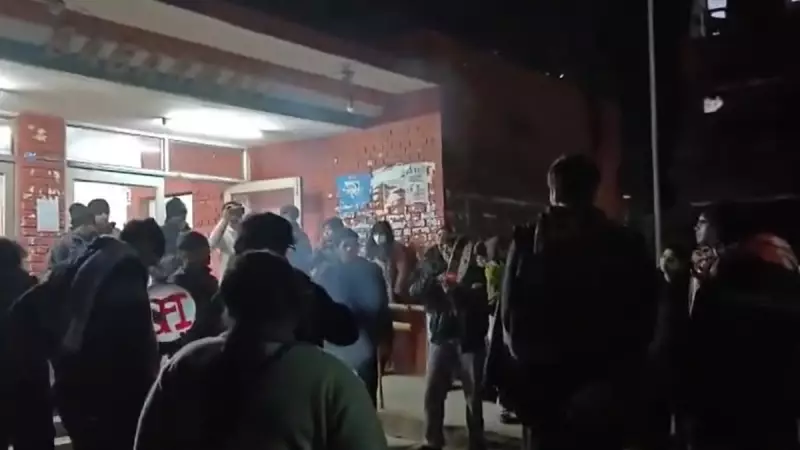
Shortly after news of the bail denial spread, a section of students and activists gathered within the university premises to voice their dissent. The protest, while initially focused on the court's decision, quickly escalated. According to reports and videos circulating online, participants began chanting slogans targeting Prime Minister Narendra Modi and Home Minister Amit Shah.
The content of these slogans has been widely condemned as highly objectionable and inflammatory. The protest atmosphere grew tense, highlighting the deep political and ideological divisions that often surface on the campus. University authorities and security personnel were present, monitoring the situation closely to prevent any breach of law and order.
Legal Context and Ongoing Implications
The case against Umar Khalid and Sharjeel Imam is central to the narrative. They are among several activists and students charged by the Delhi Police for allegedly conspiring and orchestrating the violence that engulfed parts of northeast Delhi in February 2020. The prosecution has argued that their speeches and actions contributed to the communal riots.
The defence, however, has consistently maintained that the charges are politically motivated and an attempt to stifle dissent. The Supreme Court's refusal to grant bail is seen as a major setback for their legal teams. This development is likely to have lasting implications, not just for the accused but also for the discourse around free speech, dissent, and the application of laws like UAPA in India.
The events at JNU underscore how legal judgments, especially in politically sensitive cases, can trigger immediate and volatile reactions in the public sphere. The use of controversial slogans against the country's top leadership adds another layer of complexity, potentially inviting scrutiny from law enforcement agencies. The situation remains fluid, with the university community and political observers watching for further developments.