

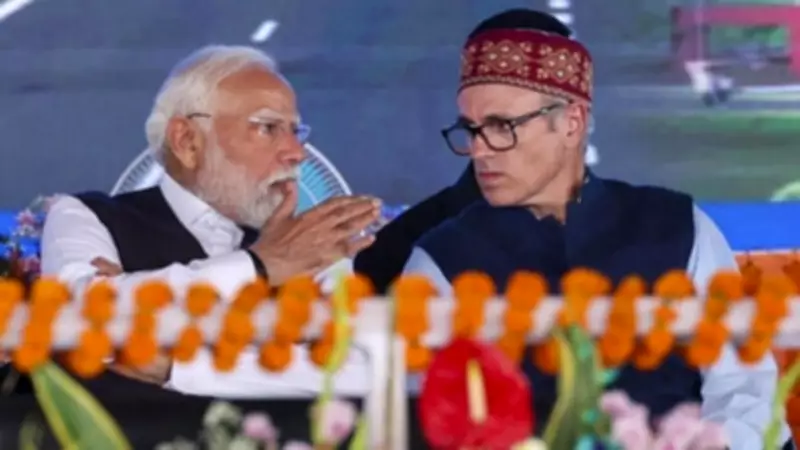
Omar Abdullah Appeals to PM Modi Over Iran Crisis, Calling It 'Unjust and Illegal War'
In a significant development within the Jammu and Kashmir Assembly, former Chief Minister and National Conference leader Omar Abdullah has publicly urged Prime Minister Narendra Modi to intervene in the ongoing conflict involving Iran. Abdullah described the situation as an "unjust and illegal war imposed on Iran," emphasizing the need for India to play a proactive role in addressing international tensions.
Assembly Debate Sparks Controversy Over Iran Issue
The call for intervention came after a heated debate in the Assembly, where several members of the National Conference pressed for a brief statement on the Iran crisis. This move faced strong opposition from Bharatiya Janata Party (BJP) MLAs, who argued that the Iran crisis is an international issue and does not fall within the domain of the state legislature. The BJP members contended that such matters should be handled at the national or diplomatic level, rather than being discussed in the regional assembly.
Despite the opposition, the National Conference members persisted, highlighting the potential regional implications of the conflict and advocating for a unified stance from India. Omar Abdullah's statement underscored the urgency of the situation, suggesting that India's foreign policy should actively engage in resolving conflicts that could impact global stability and regional security.

Political Reactions and Implications
The debate has sparked broader discussions on the role of state assemblies in addressing international affairs. Supporters of Abdullah's stance argue that as a key global player, India must not remain silent on issues of war and injustice, especially when they involve nations with which India shares strategic ties. Critics, however, maintain that such interventions could complicate diplomatic relations and divert attention from domestic priorities.
This incident also reflects the ongoing political dynamics in Jammu and Kashmir, where parties often use international issues to highlight their positions on governance and foreign policy. The National Conference's push for a statement on Iran may be seen as an attempt to assert its relevance in national discourse, while the BJP's resistance aligns with its focus on centralized decision-making in foreign affairs.
As the situation evolves, it remains to be seen whether PM Modi will respond to Abdullah's appeal. The Indian government has traditionally maintained a balanced approach in international conflicts, and any intervention in the Iran crisis would likely be carefully calibrated to align with national interests and global diplomatic norms.






