

Opposition Forces Unite to Halt Women's Reservation Bill, Citing Delimitation Link as National Disaster
Today marks a pivotal moment in Indian political history, as opposition leaders under the guidance of Shri Rahul Gandhi, Leader of the Opposition in Lok Sabha, and Shri Mallikarjun Kharge, came together in a unified front to prevent what they describe as a national catastrophe. The contentious issue at hand is the Women's Reservation Bill, which the government introduced despite lacking sufficient numbers, according to opposition claims.
Allegations of Deception and Strategic Voting
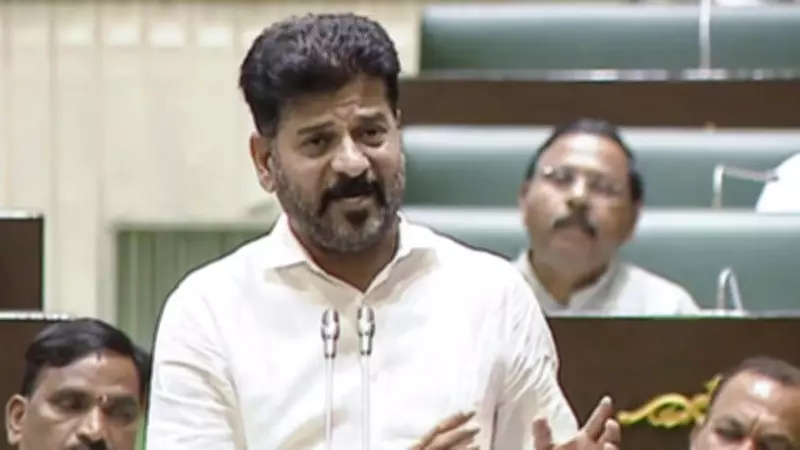
In a series of social media posts, key opposition figures voiced their strong objections. Revanth Reddy hailed the day as a red-letter day, emphasizing the unity of democratic forces in averting disaster. Meanwhile, Kavitha Kalvakuntla accused the BJP of cheating Indian women by linking the bill to delimitation, a move she claims was designed to force opposition votes against it, knowing full well the government's numerical disadvantage.
The core of the controversy lies in the bill's connection to delimitation, which opposition leaders argue unfairly impacts southern states and postpones women's reservation. YS Jagan Mohan Reddy pointedly questioned the opposition's achievements, noting that this move results in reduced representation for the south and delays justice for women. He highlighted that if the 2026 census were to proceed, the implications could be even more severe, rendering neither region nor gender their due rights.

Political Ramifications and Future Implications
This united stand by the opposition signals a significant shift in parliamentary dynamics, with leaders rallying around a common cause to block legislation they deem detrimental. The bill's introduction, despite anticipated opposition, has sparked debates on governance strategies and the ethical use of parliamentary procedures. Critics argue that such tactics undermine democratic principles, while supporters of the bill may view this as a necessary step for gender equality, albeit with contentious conditions.
The fallout from this event is expected to influence upcoming political maneuvers, as both sides prepare for further battles over representation and policy. The opposition's success in this vote could embolden future collaborations, potentially reshaping India's legislative landscape. As discussions continue, the focus remains on balancing regional interests with national goals for women's empowerment, a challenge that will likely dominate political discourse in the coming months.






