Opposition Launches No-Confidence Motion Against Lok Sabha Speaker Om Birla
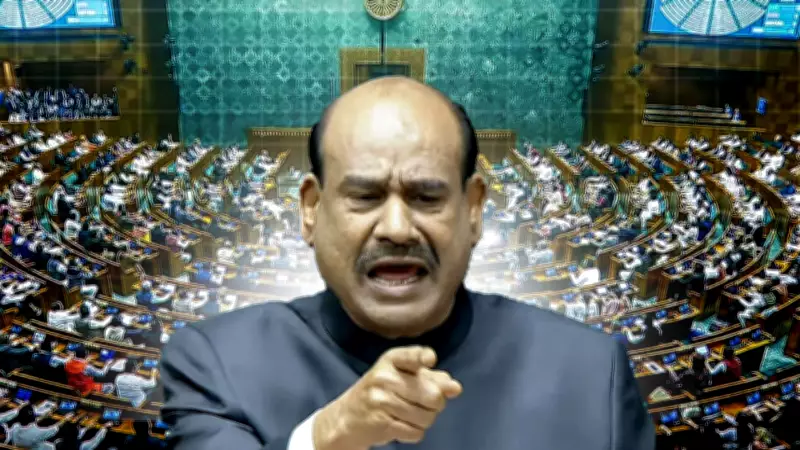
In a dramatic escalation of political tensions, opposition parties have formally moved a no-confidence motion against Lok Sabha Speaker Om Birla. This development sets the stage for an intense parliamentary confrontation, with accusations of partisan conduct during the recent Budget Session at the heart of the dispute. The motion, which accuses the Speaker of displaying bias in managing heated proceedings, underscores the deepening rift between the ruling alliance and the opposition bloc.
Parliamentary Arithmetic Takes Center Stage
Beyond the fiery political rhetoric, the real battle hinges on cold, hard numbers. The notice for the no-confidence motion has been signed by 118 Members of Parliament, but it must first clear a critical procedural hurdle. When called in the House, it requires the support of at least 50 members to be admitted for debate. If this initial step is successfully navigated, the Lok Sabha will proceed to a full debate followed by a decisive vote on the resolution.
For the motion to succeed and result in the removal of the Speaker, it needs to secure a minimum of 272 votes—a majority of the House's total strength of 543 members. Currently, the parliamentary arithmetic heavily favors the ruling National Democratic Alliance (NDA), which holds approximately 293 MPs. In contrast, the opposition bloc commands roughly 238 MPs, leaving them significantly short of the required majority.

Political Implications and Expected Showdown
Despite the numerical disadvantage, the no-confidence motion is poised to trigger sharp and contentious political exchanges within Parliament. The move is seen as a strategic effort by the opposition to highlight perceived injustices and rally support against the ruling establishment. It reflects ongoing frustrations over procedural fairness and the conduct of parliamentary business, particularly during high-stakes sessions like the Budget.
The motion against Speaker Om Birla marks a rare and serious challenge, as such actions against presiding officers are uncommon in Indian parliamentary history. It signals a willingness by opposition parties to escalate conflicts to unprecedented levels, potentially disrupting legislative proceedings and drawing national attention to governance issues.
As the Lok Sabha prepares for this political showdown, all eyes will be on the floor debates and voting dynamics. The outcome will not only determine the Speaker's fate but also set a precedent for future parliamentary conduct and opposition strategies in India's vibrant democracy.