

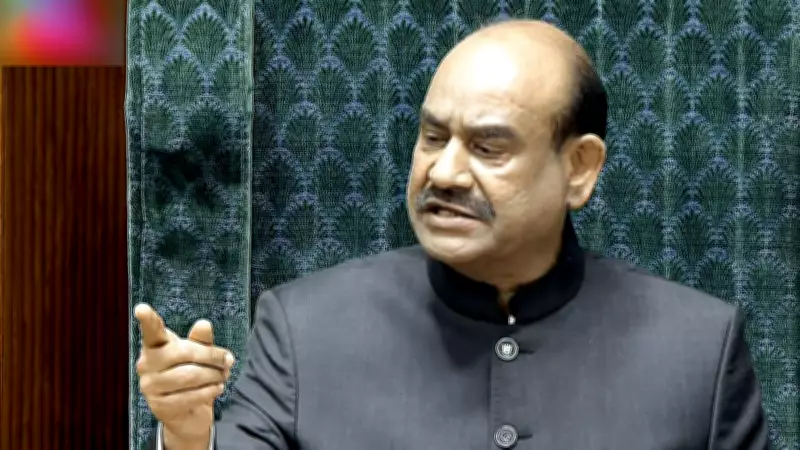
Opposition Submits No-Confidence Motion Against Lok Sabha Speaker Om Birla
The political landscape in India's Parliament witnessed a significant development as Opposition parties formally submitted a no-confidence motion against Lok Sabha Speaker Om Birla. This move comes in the wake of repeated clashes and procedural disputes within the House, highlighting growing tensions between the ruling and opposition factions.
Notice Submitted Amid Parliamentary Deadlock
The notice for the no-confidence resolution was officially submitted to Lok Sabha Secretary General Utpal Kumar Singh at 1:14 PM on Tuesday, February 10, 2026. This action follows a prolonged deadlock over allowing Leader of Opposition Rahul Gandhi to speak during parliamentary proceedings, which has been a point of contention for several sessions.
Congress deputy leader in the Lok Sabha, Gaurav Gogoi, confirmed the submission, stating that the motion was filed with the backing of multiple opposition parties. According to parliamentary sources, a total of 118 Members of Parliament have signed the notice, demonstrating substantial opposition support for this unprecedented move against the Speaker.

Broad Opposition Support for the Motion
The no-confidence motion has garnered support from a coalition of opposition parties, with the Congress, DMK, and Samajwadi Party jointly submitting the notice. Notably, all major opposition groups except the Trinamool Congress have backed this initiative, reflecting widespread dissatisfaction with the Speaker's handling of parliamentary proceedings.
The official notice explicitly states the opposition's grievances, emphasizing that "Leaders of Opposition parties have just not been allowed to speak, which is their basic democratic right in Parliament." This statement underscores the core issue driving the motion—perceived restrictions on opposition voices during crucial parliamentary debates.
Budget Discussions Proceed Despite Tensions
Interestingly, despite the submission of the no-confidence motion, the opposition has decided to participate in the ongoing budget discussions that began on Tuesday afternoon. This strategic decision has kept prospects alive for the House to return to regular legislative business, even as the motion against the Speaker creates an unprecedented constitutional situation.
Congress leader and Thiruvananthapuram MP Shashi Tharoor is scheduled to open the budget discussion from the opposition side, with Rahul Gandhi expected to participate in the debate. This participation suggests a dual approach by opposition parties—challenging the Speaker's conduct while continuing to engage in essential parliamentary functions.
Historical Context and Political Implications
The submission of a no-confidence motion against a Lok Sabha Speaker represents a rare and serious development in India's parliamentary history. Such motions are typically reserved for challenging the government's mandate, making this move against the presiding officer particularly noteworthy.
The current situation reflects deeper issues in parliamentary functioning, where procedural disputes have increasingly disrupted legislative business. The opposition's action signals their determination to address what they perceive as systematic marginalization of their voices in the highest legislative forum.
As the budget session continues, all eyes will be on how this constitutional standoff unfolds and whether it leads to procedural reforms or further escalates political tensions within the Lok Sabha.






