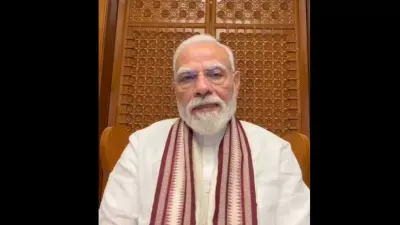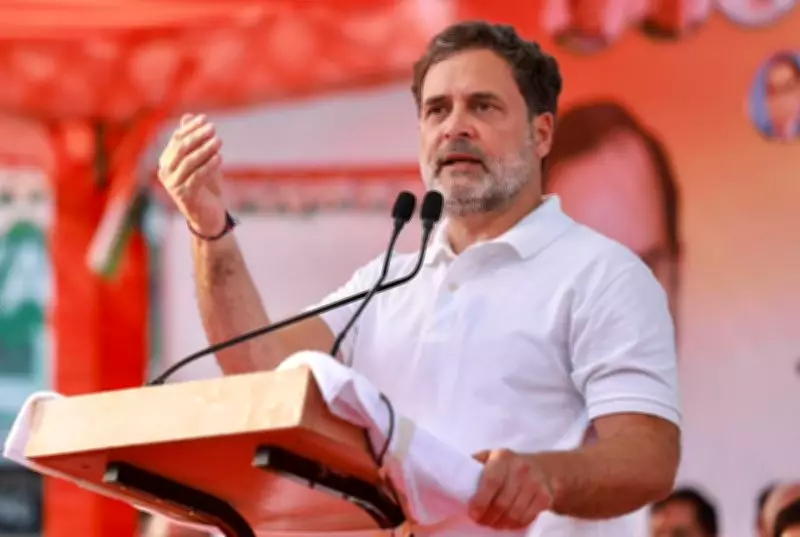
The Congress-led opposition is preparing to intensify pressure on the government in Parliament over the alleged police brutality against students protesting the NEET paper leak. The INDIA bloc parties are set to finalise their floor strategy on Monday, demanding an apology from Prime Minister Narendra Modi and action against those responsible for the assault, according to sources.
Rahul Gandhi Writes to Amit Shah Seeking Accountability
Leader of the Opposition in the Lok Sabha, Rahul Gandhi, has written to Union Home Minister Amit Shah, seeking accountability for what he termed a "barbaric assault" on peacefully protesting students. Gandhi asked whether Shah approved the use of "lethal force", including pellet guns, against the students. In his letter, Gandhi emphasised that peaceful protest is crucial to any democracy and that the government has a responsibility to protect protesters and resolve grievances through dialogue.
"Such brutal violence destroys every norm, and has outraged the country. Youth and students, the future of our country, are demanding answers and accountability. Their voice will be heard," Gandhi wrote, as quoted by the Congress party's communications chief Jairam Ramesh.

Jairam Ramesh Poses Two Questions to the Home Minister
Sharing the letter on social media, Congress general secretary Jairam Ramesh said Gandhi had posed two specific questions to Shah: "As the Home Minister, did you authorise the use of lethal force, including pellet guns, against students? If not, who granted this authorisation? Are the individuals seen raining blows on students while dressed in plain clothes, police personnel or volunteers? Who authorised their deployment?" Ramesh reiterated the demand that the home minister must answer these questions in Parliament and that the prime minister should apologise to the students.
The Congress party has described the resignation of Education Minister Dharmendra Pradhan as a victory for students but insisted that Modi must also apologise. Rajya Sabha Leader of Opposition Mallikarjun Kharge stated that it is now Modi's turn to apologise and take strict action against all those who used lathis, batons, and pellet guns against the agitating students.
INDIA Bloc Meeting to Decide Floor Strategy
The opposition's floor strategy and its stand on the bill to amend the two-year-old anti-paper leak law will be finalised at the INDIA bloc meeting scheduled in Kharge's chamber in Parliament on Monday morning. The Public Examinations (Prevention of Unfair Means) Amendment Bill, 2026, has been circulated to Lok Sabha members ahead of its introduction. The bill proposes severe penalties: individuals involved in paper leaks or unfair means would face a minimum of five years and a maximum of ten years imprisonment, along with a fine of up to Rs 50 lakh. For organised crimes, the bill suggests a minimum sentence of seven years and a fine of up to Rs 10 crore.
The existing law currently provides for a minimum of three to five years imprisonment for cheating, while organised cheating offences carry five to ten years and a minimum fine of Rs 1 crore. The new bill has been listed for introduction, consideration, and passage in the Lok Sabha on Monday, which is unusual as bills are typically not introduced and passed on the same day.
Government Responds to Student Protests
The government announced the proposed legislation after student protests led by the Cockroach Janta Party (CJP) over the NEET paper leak issue gained momentum in recent weeks. The protests by opposition parties over the NEET issue had led to a washout of proceedings in the first week of the Parliament session. The opposition's stand on the new bill remains unclear. When asked whether the Congress would support the legislation, Gandhi said on Saturday that the party alone cannot decide and that the decision would be based on opposition consensus. "The Congress party has a central principle. We will decide this during a meeting of opposition parties and a decision will be based on opposition consensus. In Parliament, that is our discipline, and that is our way of functioning," he said.

CJP Calls Off Agitation After Pradhan's Resignation
The CJP on Saturday called off its 36-day agitation after Education Minister Pradhan resigned and the government accepted its other demands. The 2024 anti-paper leak law was introduced when the government faced widespread controversies over paper leaks. Before that legislation, there was no specific substantive law to deal with unfair means or offences committed by entities involved in conducting public examinations by the central government and its agencies. In the wake of student protests, Prime Minister Modi had promised a law to tackle cases like the NEET-UG paper leak and said that cases against accused individuals would be tried in fast-track courts.
The opposition, led by the Congress, is now expected to keep the pressure on the government throughout the session, demanding accountability and transparency in the handling of student protests and the new legislation.