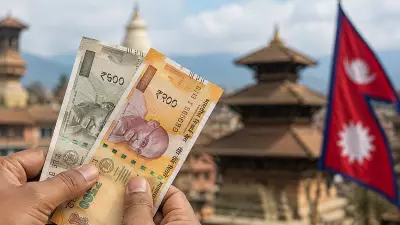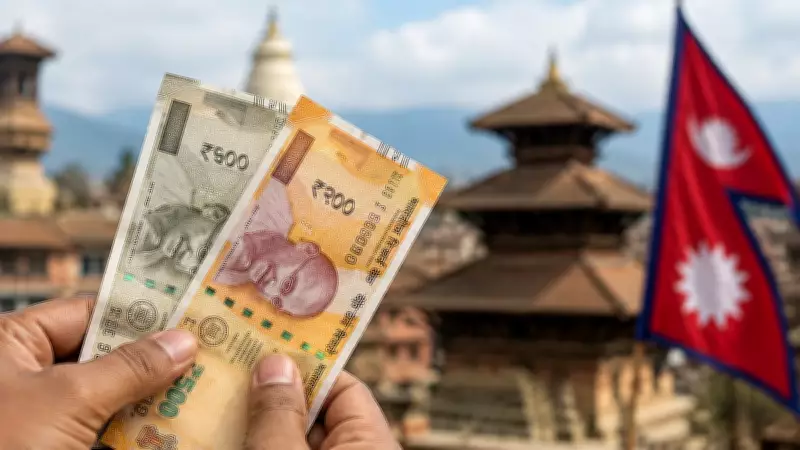
Nepal has permitted Indian travellers to carry Rs 200 and Rs 500 currency notes across its border, ending a restriction that had been in place since India's demonetisation in 2016. The decision was announced by Nepal's central bank, Nepal Rastra Bank, in a circular issued on July 26, 2026, according to a PTI report.
Background of the Ban
India's demonetisation exercise on November 8, 2016, invalidated Rs 500 and Rs 1,000 notes, which accounted for approximately 86% of the currency in circulation at the time. The government introduced redesigned Rs 500 notes and new Rs 2,000 notes as replacements. However, Nepal initially banned the old notes and later imposed restrictions on the new Rs 200 and Rs 500 notes as well, citing concerns over counterfeit currency and economic stability.
Over the years, Nepal gradually eased some restrictions, but the complete ban on Rs 200 and Rs 500 notes remained in place until this latest decision. Additionally, the Rs 2,000 notes, which were introduced as part of the demonetisation, have since been withdrawn from circulation in India, further complicating currency exchange for travellers.

Details of the New Policy
The Nepal Rastra Bank's circular allows Indian travellers to carry Rs 200 and Rs 500 notes again, though specific limits on the amount were not immediately disclosed. Previously, travellers were required to declare any Indian currency exceeding a certain threshold, and notes below Rs 100 were often not accepted. The new policy is expected to simplify transactions for the thousands of Indians who visit Nepal daily for tourism, pilgrimage, and business.
Indian tourists form a significant portion of Nepal's tourism industry, with over 1.5 million Indian visitors annually before the COVID-19 pandemic. The restriction on carrying certain denominations had forced many to rely on electronic payments or alternative currencies, causing inconvenience at the border.
Implications for Travellers and Trade
The move is likely to boost cross-border trade and tourism. Nepal shares an open border with India, and Indian currency is widely accepted in Nepal's border towns and tourist hubs. The resumption of Rs 200 and Rs 500 notes will ease daily transactions for travellers, reducing reliance on black market currency exchanges.
However, experts warn that the policy may also lead to increased circulation of counterfeit notes. Both countries have strengthened security features in currency notes, and the Nepal Rastra Bank has assured that measures are in place to monitor the flow.
The Indian government had also phased out the Rs 2,000 notes in 2023, which were introduced after demonetisation. The withdrawal of these high-value notes further necessitated the policy change in Nepal, as travellers had limited options for carrying Indian currency.
Background on India-Nepal Currency Relations
India and Nepal have a long history of currency interdependence. The Nepalese rupee is pegged to the Indian rupee, and Indian currency is legal tender in some parts of Nepal. However, periodic restrictions have been imposed to control black market activities and counterfeiting. The 2016 demonetisation led to a temporary disruption in cross-border currency flows, with Nepal banning the old Rs 500 and Rs 1,000 notes. Over time, the ban was extended to new notes as well, until now.
The latest decision reflects improving coordination between the two countries' central banks. The Reserve Bank of India and Nepal Rastra Bank have been in discussions to streamline currency exchange and prevent fraud.
In conclusion, Nepal's decision to allow Indian travellers to carry Rs 200 and Rs 500 notes again marks a significant step in normalising currency relations between the two countries. It will facilitate smoother travel and trade, while also underscoring the need for continued vigilance against counterfeit currency.