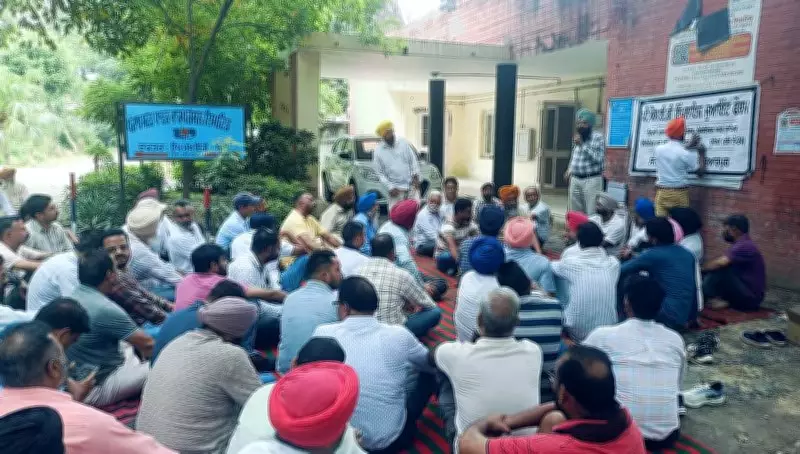
The deadlock between the Punjab State Power Corporation Ltd (PSPCL) management and its striking technical staff deepened after marathon talks between the Punjab Government and employee representatives failed to produce a breakthrough. The unions have decided to continue their agitation until their demands are accepted in writing.
Strike Enters Fifth Day, Power Restoration Affected
The strike by PSPCL technical employees entered its fifth day on July 26, severely affecting the restoration of electricity supply in several parts of Punjab and placing increasing pressure on the state's power distribution network. Almost the entire technical workforce, including linemen and assistant linemen responsible for maintaining distribution lines and attending power breakdowns, has remained off duty since the strike began. The shortage has delayed the restoration of electricity supply following faults, particularly in rural and semi-urban areas.
Marathon Talks Fail to Break Deadlock
According to sources, a nearly six-hour meeting between Punjab Power Minister Tarunpreet Singh Sond and representatives of the striking unions continued late into the night on July 25. Although the government assured the employees that their demands would be addressed, the unions refused to withdraw the strike without receiving a written commitment. Union leaders said they had been engaged in discussions with the government for the past six months and had repeatedly received verbal assurances without any concrete action.

Unions Stand Firm on Written Commitment
The unions' principal demand is the implementation of the principle of “equal work, equal pay”. Union leaders alleged that employees performing identical duties in the corporation receive different salaries depending on their category of employment. They also demanded the regularisation of outsourced workers, maintaining that they have been performing the same duties as regular employees for years while receiving significantly lower wages.
Impact on Power Distribution Network
To keep the distribution network functioning, the corporation has been relying on clerical and accounting employees to assist in monitoring feeder operations across various subdivisions. In Ropar district, officials said every subdivision is currently being managed by only four to five senior technical officers, including Executive Engineers (XENs), Sub-Divisional Engineers (SDOs) and Junior Engineers (JEs), who are supervising the entire distribution system.
“We are working almost 12-hour shifts every day. The available officers are handling both supervisory and operational responsibilities while depending on a very limited outsourced workforce to attend emergency breakdowns. It has become extremely difficult to manage the distribution system under these circumstances,” a senior official said on the condition of anonymity.
Strike Extended and Future Outlook
The technical employees had originally announced a strike from July 21 to July 24. Following the failure of earlier negotiations, the unions extended the agitation till July 27, and the inconclusive talks have further prolonged the impasse. With the government yet to provide a written assurance, the strike is expected to continue until a concrete agreement is reached.