

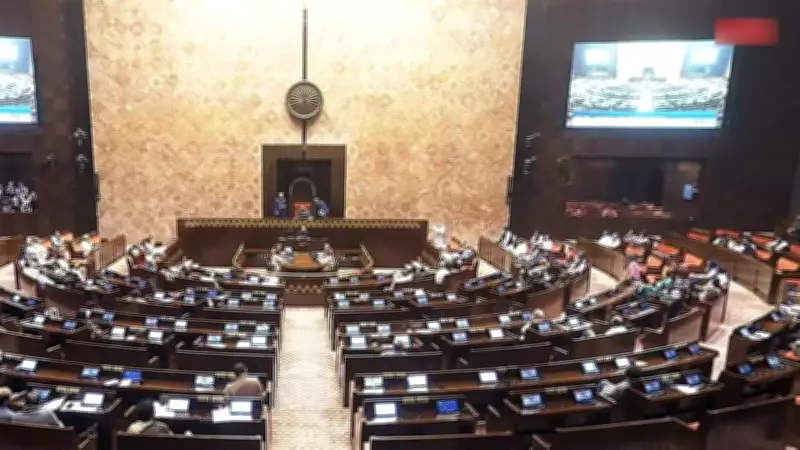
Opposition Escalates Parliamentary Battle with Dual Constitutional Challenges
In a significant escalation of political tensions, the opposition INDIA bloc is preparing to file for the impeachment of Chief Election Commissioner Gyanesh Kumar in Parliament. This move coincides with a previously announced no-confidence motion against Lok Sabha Speaker Om Birla, setting the stage for a dramatic confrontation between the ruling coalition and the opposition during the upcoming Budget session.
Timing and Strategic Calculations
Sources indicate that the notice for impeachment against CEC Gyanesh Kumar will be formally submitted for the post-recess Budget session, which commences in the second week of March. The demand for impeachment has been primarily championed by the Trinamool Congress (TMC), which has now gained broader support within the opposition camp after initial hesitation from other INDIA bloc parties.
The strategic timing appears designed to maximize political impact. By aligning the impeachment push with the no-confidence motion against Speaker Birla, the opposition aims to create unprecedented simultaneous challenges to two top constitutional positions. A senior Congress member confirmed, "It will happen soon. We are discussing the issue," highlighting the coordinated nature of these efforts.

Behind the Political Maneuvering
The sudden willingness of INDIA bloc allies to support TMC's impeachment demand against CEC Gyanesh Kumar serves multiple political objectives. First, it represents an effort to appease West Bengal Chief Minister Mamata Banerjee and reinforce opposition unity after TMC notably abstained from signing the removal notice against Speaker Birla, despite expressing no principled opposition to the move.
Second, this dual-pronged approach aims to bolster support for the no-confidence motion against Speaker Om Birla when it comes up for consideration in March. By presenting a united front on both fronts, the opposition hopes to amplify its parliamentary voice and challenge what it perceives as institutional bias.
Substantive Grounds for the Challenges
The impeachment demand against Chief Election Commissioner Gyanesh Kumar has gained traction within opposition circles due to widespread concerns about the process of Summary Revision (SIR) of electoral rolls in various states. Opposition parties have collectively denounced this process as a BJP strategy to disenfranchise opposition voters, thereby benefiting the ruling party.
While this issue has been extensively debated in the Supreme Court, its political reverberations have now reached Parliament, where opposition members seek to hold electoral authorities accountable through constitutional means.
The Speaker Controversy Deepens
Parallel to the impeachment proceedings, the no-confidence motion against Lok Sabha Speaker Om Birla stems from opposition accusations that he has acted on behalf of the governing party rather than maintaining impartiality. Specific grievances include allegations that the Speaker has systematically restricted opposition voices during parliamentary proceedings.
The current bout of tension was ignited when the Chair refused to allow Congress leader Rahul Gandhi to quote from an unpublished book by former Army Chief M.M. Naravane concerning the 2020 Chinese aggression. This incident disrupted Lok Sabha proceedings for over a week and crystallized opposition frustrations with the Speaker's conduct.
In response to the no-confidence motion, Speaker Om Birla has decided to refrain from officiating parliamentary proceedings until the removal notice is formally settled, adding another layer of institutional complexity to the ongoing political standoff.
Political Implications and Government Response
Despite the opposition's aggressive posture, the Modi government and BJP remain confident due to their firm majority in both Houses of Parliament. Government sources indicate that these opposition moves are unlikely to alter the political balance but will create an unprecedented parliamentary spectacle where two constitutional offices face simultaneous no-confidence challenges.

This developing situation represents a significant test of parliamentary norms and opposition unity as India approaches crucial electoral processes. The coming weeks will reveal whether these constitutional challenges gain substantive traction or remain symbolic gestures in the broader political theater.





