Parliamentary Session Descends Into Chaos Over Iran War Statement
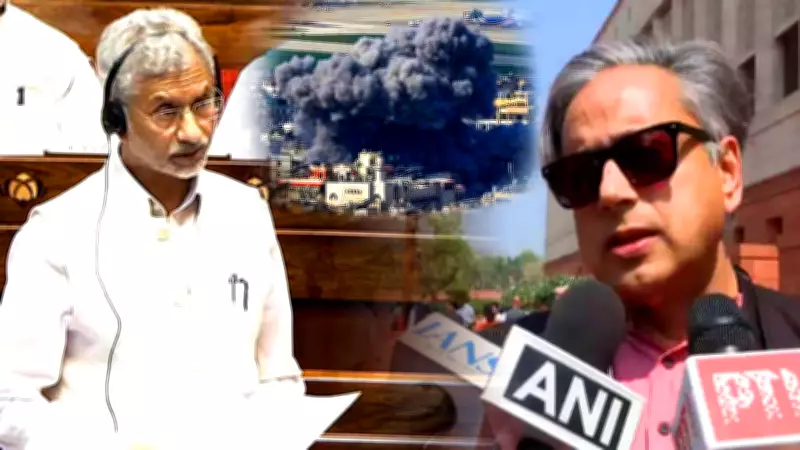
The escalating conflict between the United States and Iran in West Asia has ignited a fierce political confrontation within India's Parliament, leading to a dramatic walkout by Opposition members. External Affairs Minister Dr. S Jaishankar presented a detailed statement outlining the government's position on the crisis and its potential implications for India, but the move was met with immediate and vehement protest from the Opposition benches.
Opposition Demands Comprehensive Debate, Criticizes Government Approach
Congress leader and MP Shashi Tharoor spearheaded the Opposition's response, arguing forcefully that Parliament must be granted the opportunity to fully question and debate the government's stance on such a critical international issue. "A one-sided briefing is insufficient when dealing with matters of national security and foreign policy," Tharoor asserted, emphasizing the need for transparency and accountability.
Shiv Sena UBT MP Priyanka Chaturvedi joined the criticism, labeling the government's foreign policy approach as "hollow and inadequate" in the face of growing geopolitical instability. Samajwadi Party MP Ram Gopal Yadav raised specific concerns about the conflict's direct impact on Indian citizens employed in the region and potential repercussions for the domestic economy, highlighting the human and financial stakes involved.

BJP Counters Accusations, Defends Parliamentary Protocol
The Bharatiya Janata Party swiftly retaliated against the Opposition's actions, accusing them of disrespecting parliamentary traditions and deliberately disrupting proceedings. BJP representatives argued that the Minister's statement was a standard procedural update and that the Opposition's walkout constituted an unnecessary escalation that hindered constructive dialogue.
This parliamentary clash underscores a broader trend where international geopolitical tensions are increasingly influencing domestic political dynamics in New Delhi. The incident reflects deep-seated disagreements over how India should navigate complex global crises and the role of parliamentary oversight in foreign policy decisions.
The standoff leaves unresolved questions about the government's strategy regarding the US-Iran conflict and its effects on Indian interests abroad. As the war in West Asia continues to evolve, further political battles in Parliament are anticipated, with both sides digging in their heels over procedural and substantive issues.