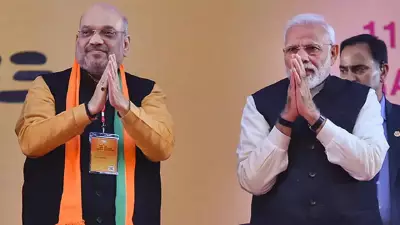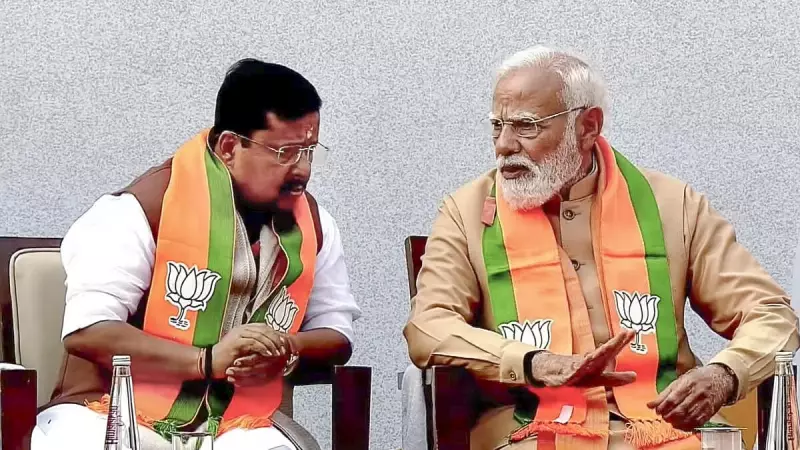
Prime Minister Narendra Modi made a striking statement about his party colleague Nitin Nabin during a recent gathering. Speaking at the Bharatiya Janata Party headquarters in New Delhi, Modi openly acknowledged Nabin's influence within the party structure.
Modi's Unusual Acknowledgment of Party Hierarchy
The Prime Minister specifically referred to 45-year-old Nitin Nabin as his "boss" when it comes to party matters. This public recognition from India's most prominent political figure carries significant weight within political circles. Modi's choice of words reveals much about internal party dynamics and leadership structures.
The Millennial Leader in a Transforming India
During his address, Prime Minister Modi described Nabin as belonging to the millennial generation. He emphasized how this generation has witnessed tremendous change across India during their formative years. The Prime Minister highlighted how leaders like Nabin represent a new wave of political leadership that has grown up alongside India's rapid development.

"He belongs to that generation which has seen India change before their eyes," Modi stated about the 45-year-old leader. This characterization places Nabin at the intersection of traditional political experience and contemporary perspectives.
Significance of the Public Endorsement
Political observers note several important aspects of Modi's comments:
- The public acknowledgment of internal party authority structures
- Recognition of generational shifts within political leadership
- Validation of Nabin's role and influence within the BJP
- The symbolic importance of millennial representation in governance
Modi's remarks come at a time when political parties across India are increasingly recognizing the importance of younger leadership. The Prime Minister's comments suggest a conscious effort to highlight the contributions of younger party members who bring fresh perspectives to political processes.
Context and Timing of the Statement
The gathering at the BJP headquarters provided the platform for these significant remarks. Such public events often serve as opportunities for senior leaders to signal internal party developments and strategic directions. Modi's characterization of Nabin as both a "boss" in party matters and a representative of changing India offers insight into how the ruling party views leadership succession and generational transition.
Political analysts will likely examine this statement for clues about future party positioning and leadership development. The explicit recognition of a younger leader's authority in specific domains suggests evolving power dynamics within one of India's most influential political organizations.