

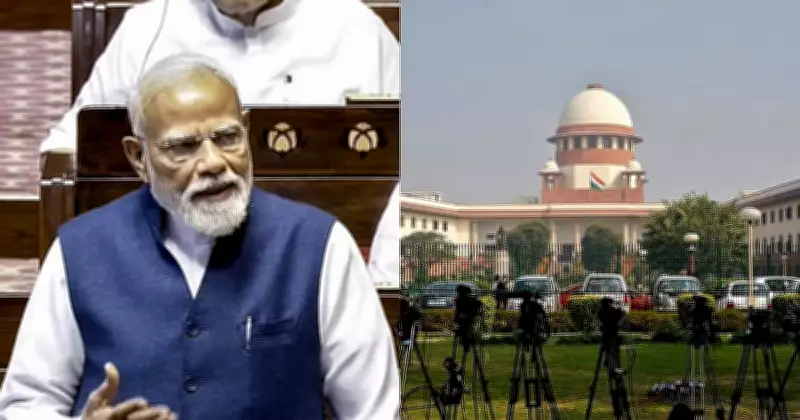
PM Modi Reiterates India's Stance on West Asia Conflict, Supreme Court Rules on Conversion and SC Status
In a significant development on the evening of March 24, 2026, Prime Minister Narendra Modi addressed the ongoing conflict in West Asia, underscoring India's unwavering commitment to peace and stability in the region. Simultaneously, the Supreme Court of India issued a landmark verdict concerning conversion and its implications for Scheduled Caste (SC) status, a ruling that is poised to have far-reaching legal and social consequences.
Prime Minister Modi's Call for Peace in West Asia
Prime Minister Narendra Modi, in a statement, articulated India's diplomatic position on the West Asia war, emphasizing the nation's desire for a peaceful resolution. "India wants peace," he declared, highlighting the country's role as a global advocate for dialogue and de-escalation. This stance aligns with India's longstanding foreign policy of non-interference and promotion of harmony in international affairs.
The Prime Minister's remarks come at a critical juncture, as tensions in West Asia have escalated, affecting regional security and global geopolitics. Modi's emphasis on peace reflects India's strategic interests in maintaining stable relations with all parties involved, while also addressing humanitarian concerns. Experts suggest that this position could bolster India's image as a responsible global actor, capable of mediating in complex conflicts.

Supreme Court's Pivotal Verdict on Conversion and Scheduled Caste Status
In a parallel development, the Supreme Court delivered a major verdict regarding conversion and its impact on Scheduled Caste status. The court's decision clarifies legal ambiguities surrounding whether individuals who convert to other religions retain their SC status, which is crucial for accessing reservations and other affirmative action benefits in India.
The ruling is expected to set a precedent for future cases, addressing long-standing debates on religious conversion and social justice. Key aspects of the verdict include:
- Legal Framework: The court examined constitutional provisions and previous judgments to determine the eligibility criteria for SC status post-conversion.
- Social Implications: The decision may influence community dynamics and access to educational and employment opportunities for converted individuals.
- Policy Impact: It could prompt revisions in government policies related to reservations and welfare schemes for marginalized groups.
Legal analysts predict that this verdict will spark discussions on religious freedom, equality, and the intersection of law and social identity in India. The Supreme Court's thorough analysis in this case underscores its role in interpreting complex socio-legal issues that affect millions of citizens.
Broader Implications and National Context
These two stories, emerging on the same evening, highlight India's multifaceted engagement with both international diplomacy and domestic legal challenges. PM Modi's peace initiative in West Asia demonstrates India's growing influence on the world stage, while the Supreme Court's verdict addresses deep-rooted social questions within the country.
As India navigates these developments, the focus remains on fostering global stability and ensuring justice for all its citizens. The evening of March 24, 2026, marks a pivotal moment in shaping India's trajectory in foreign relations and social policy, with potential ripple effects in the days to come.






