

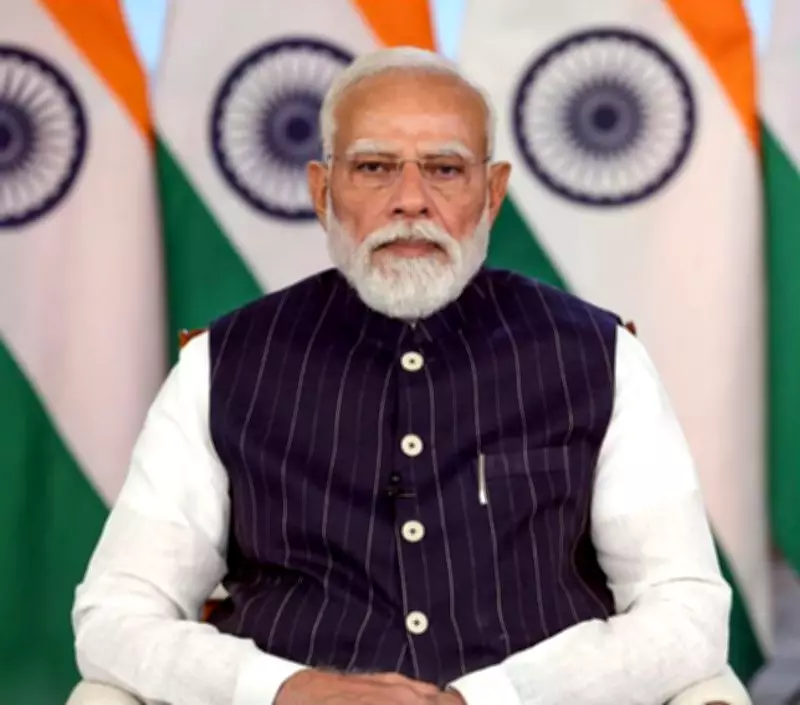
Declining Attendance of PM Modi and Rahul Gandhi at All-Party Meetings in Delhi
A recent analysis has revealed a notable trend in the political landscape of Delhi, with both Prime Minister Narendra Modi and Congress leader Rahul Gandhi attending fewer all-party meetings. These gatherings, traditionally crucial for fostering bipartisan dialogue and addressing national issues, have seen a marked reduction in participation from these key political figures. The decline raises important questions about the state of cross-party collaboration and its implications for governance and policy-making in the capital.
Key Findings on Meeting Attendance
Data indicates that over the past few years, the frequency of PM Modi's presence at all-party meetings has decreased significantly. Similarly, Rahul Gandhi, as a prominent opposition voice, has also been less visible at these events. This shift contrasts with earlier periods when such meetings were more regularly attended by top leaders from both the ruling and opposition parties. The trend suggests a potential shift in political strategies or priorities, possibly influenced by factors such as electoral cycles, policy disagreements, or changes in parliamentary dynamics.
Implications for Political Engagement and Governance
The reduced attendance at all-party meetings could have several consequences for Delhi's political environment. Firstly, it may weaken the platform for constructive debate and consensus-building on critical issues, from national security to economic policies. Secondly, it might reflect a broader trend of polarization, where parties prefer to engage through other channels or public forums rather than collaborative settings. Experts note that all-party meetings serve as a vital mechanism for transparency and accountability, and their diminished use could impact public trust in democratic processes.

Moreover, this development comes amid ongoing political tensions and electoral battles, highlighting how personal and party-level decisions can shape institutional practices. While some argue that modern communication tools offer alternative ways for dialogue, others emphasize the irreplaceable value of face-to-face interactions in resolving complex disputes and fostering mutual understanding.
Context and Broader Political Trends
In the context of Delhi's vibrant political scene, this trend aligns with observations of increased partisanship and reduced bipartisan cooperation in recent times. Factors such as:
- The rise of social media as a primary platform for political messaging
- Shifts in electoral strategies focusing more on rallies and digital campaigns
- Ongoing controversies and policy debates that may discourage collaborative forums
could all contribute to this pattern. As political leaders navigate these challenges, the role of all-party meetings in facilitating dialogue remains a topic of discussion among analysts and citizens alike.
In summary, the declining attendance of PM Modi and Rahul Gandhi at all-party meetings in Delhi underscores a potential shift in political engagement practices. While the exact reasons may vary, this trend warrants attention for its impact on democratic norms and governance effectiveness. Moving forward, stakeholders may need to reassess the importance of such forums in promoting inclusive and transparent decision-making.






