PM Modi Appeals for Cross-Party Support on Women's Reservation Legislation
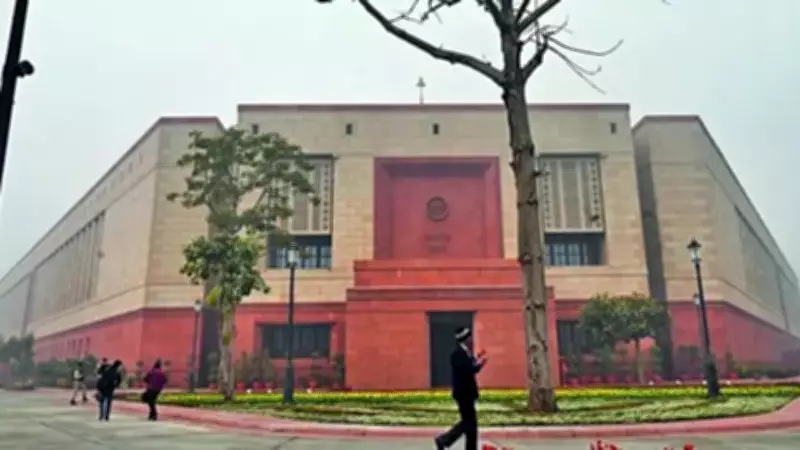
In a significant political outreach, Prime Minister Narendra Modi on Saturday reached out to floor leaders of all political parties in both Houses of Parliament, seeking their unanimous support for the passage of women's reservation bills next week. The proposed legislation aims to earmark one-third of seats in the Lok Sabha and state assemblies, with implementation targeted from the 2029 elections.
Government's Push for Early Implementation
In a letter exclusively accessed by media outlets, PM Modi emphasized that after extensive deliberations, the government has concluded that the time has come to implement the Nari Shakti Vandan Adhiniyam in its true spirit across the nation. "It is imperative that the 2029 Lok Sabha elections and assembly elections are conducted with women's reservations in place," Modi wrote, signaling his administration's determination to push for passage during the parliamentary session starting April 16.
The Prime Minister stressed that supporting this legislation would fulfill an important responsibility toward the women of India. "Your support... will be the fulfilment of an important responsibility towards the women of our country," PM Modi stated in his communication to opposition leaders.

Constitutional Amendment Requires Opposition Backing
The outreach comes against the backdrop of resistance from opposition parties regarding the government's plans for swift implementation of the quota. The Bharatiya Janata Party will need opposition support to achieve the two-thirds majority required for passage of the constitutional amendment in Parliament.
Opposition parties have expressed concerns about implementing the reservation without waiting for completion of the 2027 Census, which would likely delay women's reservations until after the 2034 Lok Sabha polls. The current bills seek to de-link implementation from the 2027 Census findings and instead base it on the 2011 Census data.
Beyond Party Politics: A National Priority
PM Modi emphasized that the cause of women's reservation in Parliament and state legislatures transcends any single party or individual. "It is a moment to demonstrate responsibility towards women and future generations," he stated. "Since all political parties have expressed the desire to increase women's representation in politics for a long time, this is the right time to turn that aspiration into a reality."
The Prime Minister recalled the unanimous support for the women's quota bills his government had introduced in 2023, describing it as "a memorable moment that reflected our unity." He also addressed opposition reservations about timing by noting that during 2023 deliberations, there was broad consensus that provisions of this historic law should become effective at the earliest, with leaders from many parties sharing this view.
Structural Changes and Legislative Framework
The proposed amendments will result in significant structural changes to India's parliamentary system. The number of seats in the Lok Sabha would increase from 543 to 816, with 273 seats reserved for women candidates. Earlier this week, the Union Cabinet cleared the amendments, with three bills to be introduced:
- The Constitution (131st Amendment) Bill
- The Delimitation Bill
- Legislation to extend reservation for women to Union territories with legislatures, including Delhi, Jammu & Kashmir, and Puducherry
In his letter, PM Modi noted that constitutional experts have been consulted on the issue, and the government has engaged in dialogue with political parties. He described the proposed amendments as a "strong step" toward enhancing participation of women, who account for half of India's population.
The parliamentary session beginning April 16 will now become a crucial testing ground for this landmark legislation, with the government hoping to secure the necessary cross-party support to make women's reservation in legislative bodies a reality for the 2029 elections.