

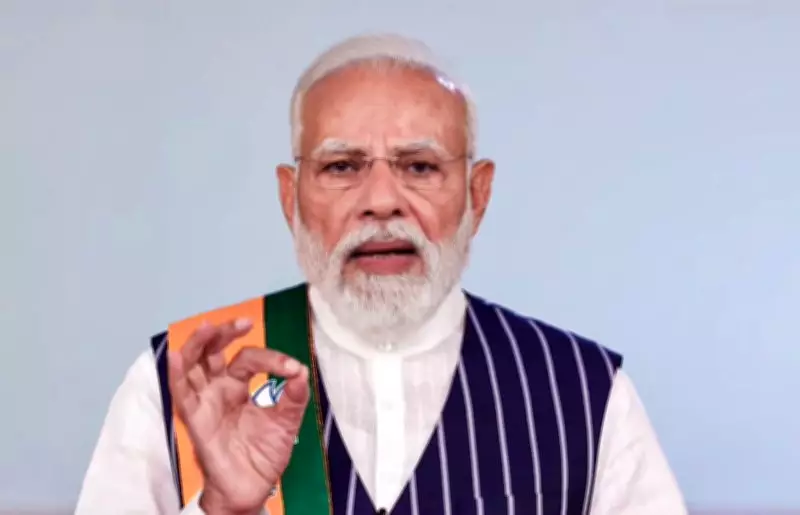
PM Modi's Landmark Announcement on Women's Political Representation
In a significant address commemorating the Bharatiya Janata Party's (BJP) 47th foundation day, Prime Minister Narendra Modi made a powerful pledge to implement a 33% reservation for women in Parliament and state legislative assemblies. This announcement, delivered with fervor and conviction, underscores the party's strategic focus on gender inclusivity as it gears up for the forthcoming Lok Sabha elections. The Prime Minister's promise is not merely a political statement but a transformative commitment aimed at reshaping India's democratic landscape by ensuring greater female participation in governance.
BJP's Foundation Day and Electoral Strategy
The BJP celebrated its 47th foundation day with a renewed emphasis on its core ideologies and future vision. Prime Minister Modi utilized this platform to articulate the party's roadmap for the upcoming general elections, highlighting key policy initiatives and social reforms. The women's quota promise emerged as a central theme, reflecting the BJP's intent to address long-standing gender disparities in political representation. This move is seen as a calculated effort to consolidate support among women voters, who constitute a substantial demographic in the electoral calculus.
The timing of this announcement is particularly strategic, coming just ahead of the Lok Sabha polls, where the BJP aims to secure a third consecutive term. By championing women's empowerment, the party seeks to project a progressive image and differentiate itself from political rivals. The foundation day event also served as a rallying point for party workers, with Modi exhorting them to intensify grassroots outreach and mobilize support across diverse constituencies.

Details of the Women's Reservation Proposal
The proposed 33% women's quota represents a bold step towards achieving gender parity in India's legislative bodies. Currently, women hold only about 14% of seats in the Lok Sabha and state assemblies, a figure that lags behind global averages. The reservation, if implemented, would mandate that one-third of all seats in Parliament and state legislatures be reserved for women candidates, potentially increasing female representation to unprecedented levels.
This initiative aligns with broader efforts to empower women across various sectors, including education, healthcare, and economic participation. The BJP has previously advocated for similar measures, such as the Women's Reservation Bill, which has faced legislative hurdles in the past. Modi's renewed commitment signals a determined push to overcome these obstacles and enact the quota through constitutional amendments or legislative action.
Political Implications and Broader Context
The announcement has sparked widespread discussion among political analysts, civil society groups, and the general public. Supporters hail it as a historic move that could catalyze social change and enhance democratic accountability. Critics, however, question the feasibility and timing, pointing to past delays in implementing women's reservation and the need for broader electoral reforms.
- Electoral Impact: The women's quota promise is expected to resonate strongly with female voters, potentially influencing election outcomes in key battleground states.
- Policy Implementation: Success will depend on the BJP's ability to navigate parliamentary procedures and secure cross-party support, given the requirement for a constitutional amendment.
- Global Comparisons: India's move follows similar quotas in countries like Rwanda and Nepal, which have seen significant improvements in women's political participation.
As the Lok Sabha elections approach, the BJP's foundation day pledge sets a clear agenda for gender equality in politics. Prime Minister Modi's emphasis on this issue reflects a broader narrative of inclusive development, positioning the party as a champion of women's rights. The coming months will be crucial in determining whether this promise translates into tangible legislative action, marking a potential turning point in India's journey towards equitable representation.






