

Contested Emblems: The Political Battle Over National Symbols in India
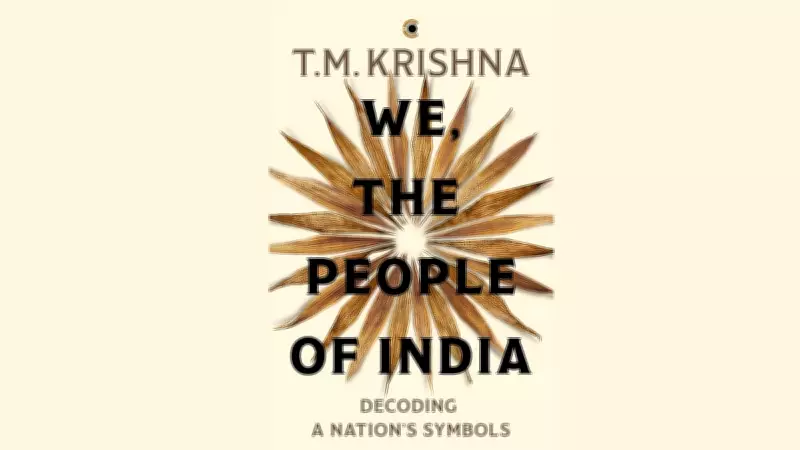
A recently published book delves into the fierce political conflicts surrounding India's national symbols, such as the Ashoka Chakra and the national flag, uncovering how these revered emblems have transformed into powerful tools for ideological warfare and identity politics. The work provides a detailed examination of the historical and contemporary debates that shape the nation's symbolic landscape.
Historical Context and Symbolic Significance
The book traces the origins of India's national symbols, highlighting their adoption during the country's independence movement. It explains how symbols like the Ashoka Chakra, derived from ancient Indian heritage, were chosen to represent unity and secular values. However, the author argues that over time, these emblems have been reinterpreted and contested by various political groups, leading to ongoing disputes over their meaning and ownership.
Political Conflicts and Ideological Battles
According to the book, national symbols have become central to political conflicts in India, with different parties and movements claiming them to advance their agendas. For instance, the Ashoka Chakra has been at the heart of debates between secular and religious nationalist groups, each seeking to define its significance in ways that align with their ideologies. The national flag, too, has been a site of contention, with controversies over its use in protests and public events.

The author emphasizes that these conflicts are not merely symbolic but reflect deeper societal divisions. By analyzing case studies and historical events, the book shows how emblems are used to mobilize support, challenge authority, and assert cultural identities. This has led to a dynamic where national symbols are constantly negotiated and redefined in the public sphere.
Impact on National Identity and Public Discourse
The book explores how contested emblems affect India's national identity and public discourse. It suggests that the politicization of symbols can both strengthen and weaken national cohesion, depending on how debates are framed and resolved. For example, while some conflicts have sparked important conversations about inclusivity and diversity, others have exacerbated tensions and polarized communities.
The work also considers the role of media and education in shaping perceptions of national symbols. It argues that how these emblems are portrayed in schools, news outlets, and popular culture influences public understanding and engagement with them. This, in turn, impacts the broader political landscape and social harmony.
Key Themes and Insights
- The historical evolution of India's national symbols and their initial purposes.
- The ways in which political groups appropriate and contest these emblems for ideological gains.
- The impact of symbolic conflicts on national identity and societal cohesion.
- The role of media and education in framing debates around national symbols.
- Case studies highlighting specific controversies, such as disputes over the Ashoka Chakra's interpretation.
In conclusion, the book offers a comprehensive analysis of how India's national symbols have become battlegrounds for political and cultural conflicts. It underscores the importance of understanding these dynamics to grasp the complexities of contemporary Indian society and politics. By examining contested emblems, the work provides valuable insights into the ongoing struggles over meaning, memory, and identity in the nation.






