

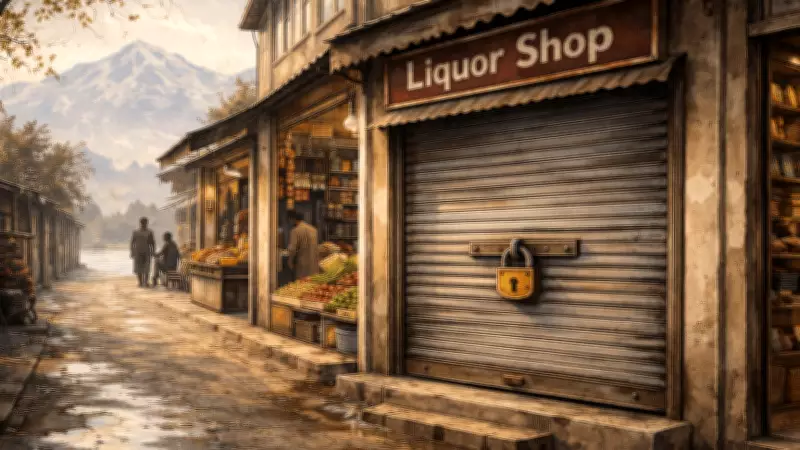
Prohibition Fails Elsewhere, Yet Kashmir Considers Alcohol Ban
In a surprising policy move, the region of Kashmir is actively debating the implementation of a complete prohibition on alcohol, despite overwhelming evidence from other Indian states that such bans have largely failed to achieve their intended goals. This discussion has ignited a fierce debate among policymakers, social activists, and citizens, who are questioning the wisdom of adopting a measure with a proven track record of ineffectiveness.
Historical Failures of Prohibition in India
Prohibition policies have been attempted in several Indian states, including Gujarat, Bihar, and Nagaland, with mixed to poor results. In Gujarat, where alcohol has been banned since its formation in 1960, the prohibition has led to a thriving black market, increased smuggling, and significant revenue loss for the state government. Similarly, Bihar's prohibition, implemented in 2016, has been criticized for failing to curb alcohol consumption while imposing heavy enforcement costs and contributing to corruption.
Studies indicate that prohibition often drives alcohol consumption underground, making it more dangerous due to unregulated and potentially toxic substances. Moreover, these bans have not significantly reduced alcohol-related health issues or social problems, such as domestic violence, which they were intended to address. Instead, they have created new challenges, including illegal trade and loss of state excise revenue, which could otherwise fund public services.

Kashmir's Unique Context and Motivations
Kashmir's consideration of prohibition stems from a complex interplay of cultural, religious, and social factors. The region has a predominantly Muslim population, where alcohol consumption is generally frowned upon due to religious teachings. Proponents of the ban argue that it would align with local values, reduce alcohol abuse, and promote a healthier lifestyle. They point to concerns about rising alcohol consumption among youth and its associated social ills as key drivers for the policy.
However, critics highlight that Kashmir's situation is not isolated from the lessons learned elsewhere. They warn that a blanket ban could exacerbate existing issues, such as unemployment and economic instability, by eliminating legal jobs in the hospitality and tourism sectors. Additionally, with tourism being a vital part of Kashmir's economy, a prohibition might deter visitors, further straining the region's financial health.
Economic and Social Implications
The economic impact of prohibition in Kashmir could be substantial. Alcohol sales contribute significantly to state revenue through excise duties, and a ban would likely lead to a sharp decline in these funds. This loss could affect public spending on essential services like healthcare and education. Furthermore, prohibition might not reduce overall alcohol consumption but rather shift it to illicit channels, increasing health risks and criminal activities.
Socially, while the ban aims to address alcohol-related problems, evidence from other states suggests it may not lead to meaningful improvements. Instead, it could foster resentment among those who consume alcohol responsibly and create enforcement challenges for authorities. There is also the risk of stigmatizing individuals struggling with addiction, rather than providing them with support and rehabilitation services.
Alternative Approaches and Future Outlook
Rather than a complete prohibition, experts suggest that Kashmir could explore alternative strategies to manage alcohol-related issues. These might include:
- Implementing stricter regulations on alcohol sales and advertising.
- Increasing public awareness campaigns about the risks of excessive drinking.
- Investing in rehabilitation centers and support programs for those with alcohol dependence.
- Promoting community-based initiatives that encourage moderation and healthy lifestyles.
As the debate continues, it is crucial for Kashmir's policymakers to consider the empirical evidence from other states and engage in a transparent dialogue with all stakeholders. The decision should balance cultural values with practical outcomes, ensuring that any policy adopted effectively addresses the root causes of alcohol abuse without unintended negative consequences.

In conclusion, while the desire to go dry in Kashmir is driven by noble intentions, the historical failures of prohibition elsewhere serve as a cautionary tale. A nuanced approach that learns from past mistakes may offer a more sustainable solution to the region's alcohol-related challenges.





