Assault on Doctors in Thane: A Disturbing Pattern
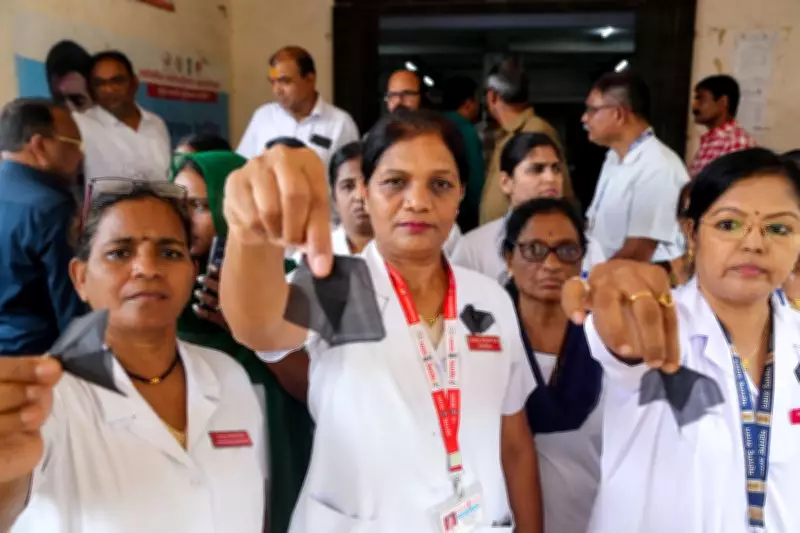
On July 1, 2026, National Doctors' Day, the theme “Behind the Mask: Who Heals the Healers?” resonated poignantly after a Shiv Sena corporator, Ramesh Mhatre, assaulted two doctors at a hospital in Maharashtra's Thane district. Mhatre and his accomplices were arrested, but one of the aggrieved doctors resigned after receiving threatening calls and messages. This incident follows similar attacks in Bidar, Karnataka, and Bikaner, Rajasthan, where doctors were assaulted by patients or their relatives.
Political Intimidation and Resource Constraints
The Thane attack exposes the vulnerability of medical staff to political intimidation. The assault occurred over the non-availability of a neonatal ICU bed. The doctors could not accommodate the patient because a critically ill newborn occupied the only emergency bed. They arranged a transfer to another facility, yet frustration was directed at them. An FIR was registered only after public outrage, viral video evidence, and pressure from the medical fraternity. The Shiv Sena, led by Maharashtra Deputy CM Eknath Shinde, condemned the corporator's misconduct and promised disciplinary action. However, justice hinges on whether the police can investigate without political interference.
Impact on Healthcare and Patient Care
Assaults on doctors and staff trigger strikes and disrupt hospital services, ultimately harming patient care. India urgently needs a stronger legal framework to curb violence in healthcare facilities. Emphasis must also be placed on improved hospital security, faster investigations, and greater public awareness about medical emergencies and resource limitations. A nation cannot expect its healers to serve fearlessly while leaving them defenceless.

Urgent Need for Legal and Security Reforms
The pattern of violence against doctors is symptomatic of a deeper malaise in India's healthcare system. Doctors are expected to save lives while fearing for their own safety. The Thane episode underscores the need for robust legal protections, enhanced security, and public education to prevent such incidents. The medical fraternity continues to call for stricter laws and better enforcement to ensure their safety and the uninterrupted delivery of healthcare services.