

The relationship between Punjab and the central government has been marked by a growing sense of unease, with the state's rights often seemingly overlooked by Delhi. This commentary delves into the complexities of this dynamic, exploring the historical context and recent developments that have led to a palpable silence from the capital on matters crucial to Punjab.
Historical Context
Punjab has long been a vital part of India's fabric, contributing significantly to agriculture, industry, and culture. However, the state has also faced challenges related to water sharing, border security, and political autonomy. The central government's approach to these issues has sometimes been perceived as dismissive, fueling resentment among Punjab's political leadership and populace.
Water Disputes
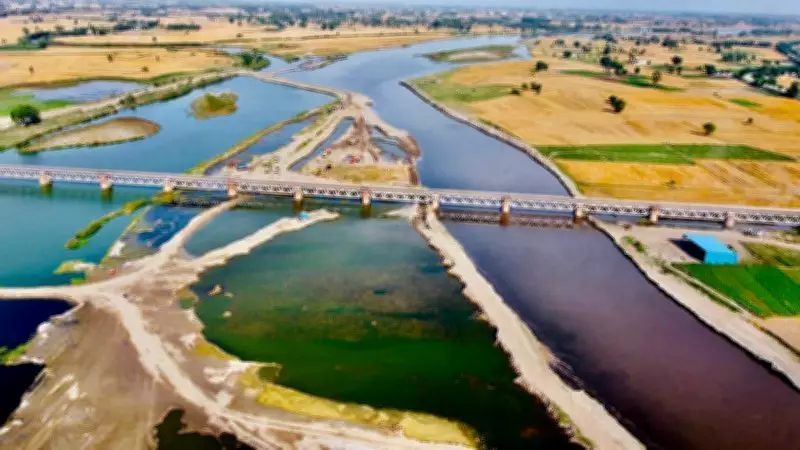
One of the most contentious issues is the sharing of river waters. Punjab argues that the existing agreements are unfair and that the state's rights are being compromised. The central government's silence on revisiting these agreements has been a sore point, with many in Punjab feeling that their concerns are being ignored.

Border Security
Punjab shares a sensitive border with Pakistan, and the state has often called for greater autonomy in managing security matters. The central government's centralized approach has led to friction, with Punjab seeking more control over its border policing and counter-terrorism efforts.
Political Dimensions
The silence from Delhi is not just about policy but also about political posturing. The ruling party at the centre has been accused of using its majority to sideline regional voices, particularly from states like Punjab that are not aligned with the central leadership. This has led to a perception of a democratic deficit, where the rights of states are secondary to the central agenda.
Economic Concerns
Punjab's economy, heavily reliant on agriculture, has been impacted by central policies on procurement and subsidies. The state has demanded a more equitable distribution of resources and greater fiscal autonomy. The lack of response from Delhi has added to the economic anxieties of the state.
Conclusion
The silence from Delhi on Punjab's rights is a matter of concern for federalism in India. As the state continues to voice its demands, the central government must engage in meaningful dialogue to address these issues. Ignoring Punjab's concerns not only undermines the spirit of cooperative federalism but also risks alienating a key region of the country. The time for silence is over; it is time for constructive engagement.






