

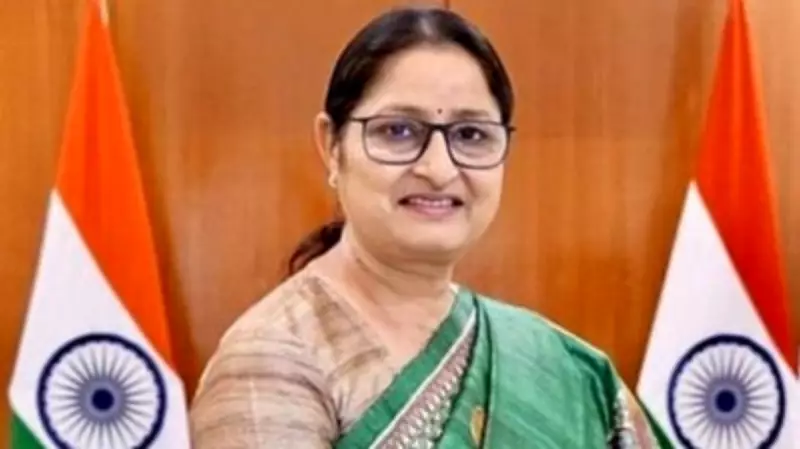
Amendment to Quota Law Reflects Aspirations of Crores of Women, Says Annpurna Devi
Union Minister Annpurna Devi has declared that the recent amendment to the reservation law in India is a significant step that mirrors the aspirations of crores of women across the nation. This legislative change, aimed at enhancing political representation for women, has been hailed as a milestone in the ongoing efforts to empower women in the political arena.
Empowering Women Through Legislative Reform
In a statement, Annpurna Devi emphasized that the amendment is not merely a legal adjustment but a reflection of the collective voice and dreams of millions of Indian women. She highlighted that this move is designed to ensure greater participation of women in governance and decision-making processes, thereby fostering a more inclusive and equitable society.
The amendment focuses on revising existing quota provisions to provide enhanced opportunities for women in various political bodies. This includes measures to increase their representation in local, state, and national levels, addressing long-standing gaps in gender parity in politics.

Historical Context and Significance
The push for women's reservation in India has been a longstanding issue, with debates and discussions spanning decades. The recent amendment builds upon previous efforts to institutionalize gender equality in political representation. Annpurna Devi pointed out that this law is a testament to the government's commitment to advancing women's rights and ensuring their voices are heard in the corridors of power.
She noted that the aspirations of women, particularly from marginalized and rural backgrounds, have often been overlooked in political discourse. The amendment seeks to rectify this by creating a framework that promotes their active involvement in politics, thereby empowering them to shape policies that affect their lives and communities.
Impact on Future Political Landscape
The implementation of this amended quota law is expected to have a profound impact on India's political landscape. By increasing the number of women in elected positions, it aims to bring diverse perspectives to the forefront and address issues that are critical to women's welfare, such as healthcare, education, and economic opportunities.
- Enhanced representation of women in legislative bodies.
- Greater focus on gender-sensitive policies and initiatives.
- Empowerment of women through increased political participation.
- Strengthening of democratic processes by ensuring inclusivity.
Annpurna Devi concluded by urging all stakeholders, including political parties and civil society, to support this amendment and work towards its effective implementation. She expressed confidence that this step will pave the way for a more just and equitable society where women can fully realize their potential and contribute to the nation's progress.






