Rahul Gandhi Draws Parallel Between MGNREGA Repeal and Farm Laws Controversy
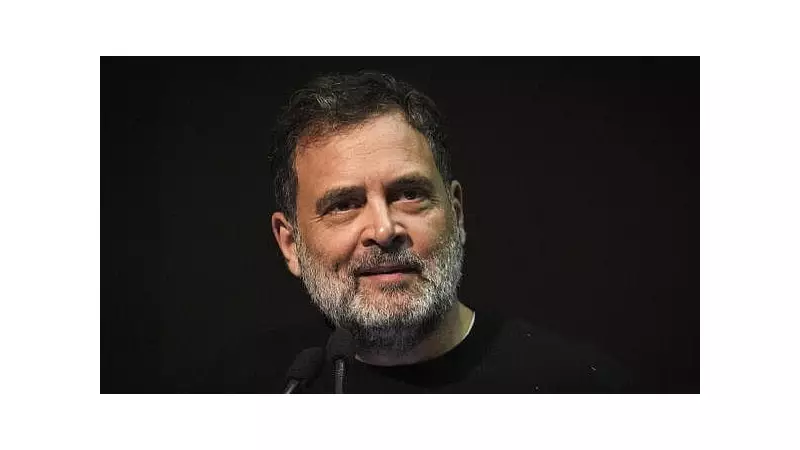
Congress leader Rahul Gandhi has launched a scathing attack on the government's move to repeal the Mahatma Gandhi National Rural Employment Guarantee Act (MGNREGA), drawing a direct comparison to the contentious farm laws that sparked widespread protests. In a statement made on January 22, 2026, Gandhi accused the Centre of attempting to replicate its approach with farmers by undermining workers' rights through legislative changes.
Allegations of Centralized Control and BJP Favoritism
Gandhi asserted that the new law, which replaces MGNREGA, will grant the central government unprecedented authority over determining work projects and allocating funds. He specifically highlighted concerns that this centralized system will inherently favor BJP-ruled state governments, ensuring they receive precedence in resource distribution. This, he argued, could lead to a biased implementation that marginalizes opposition-led states and compromises the welfare of rural workers who depend on the scheme for livelihood security.
The Congress leader emphasized that the move echoes the government's earlier strategy with the farm laws, which were ultimately repealed after massive farmer agitation. He warned that similar consequences might unfold if the rights of workers are not safeguarded. Gandhi's comments come amid ongoing debates about the efficacy and future of social welfare schemes in India, with critics questioning the transparency and equity of the proposed changes.

Broader Implications for Rural Employment and Federalism
This development raises significant questions about the balance of power between the Centre and states in India's federal structure. By centralizing decision-making for MGNREGA, the government could alter the dynamics of rural employment programs, potentially affecting millions of households. Experts suggest that such shifts might impact poverty alleviation efforts and economic stability in agrarian regions, where MGNREGA has been a critical safety net.
The timing of Gandhi's remarks coincides with heightened political tensions, as opposition parties gear up to challenge the government's policies in the upcoming parliamentary sessions. The issue is likely to fuel further discourse on social justice, workers' rights, and the role of central authority in shaping state-level initiatives. As the debate unfolds, stakeholders from various sectors are calling for a thorough review to ensure that any reforms prioritize inclusivity and equitable development across all regions.