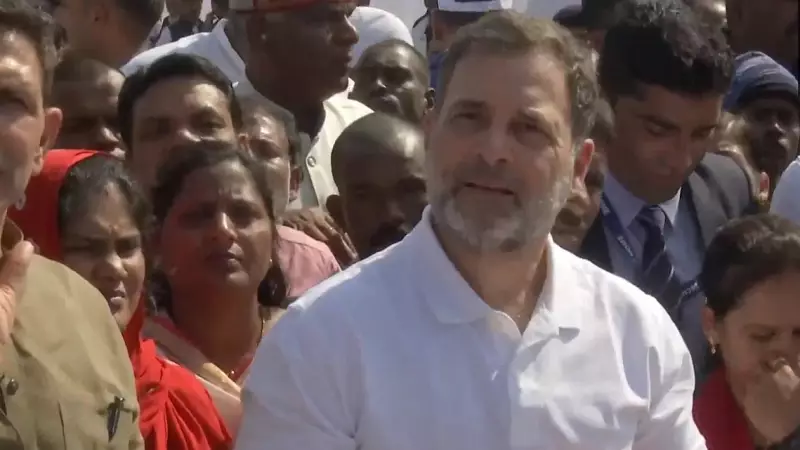
Rahul Gandhi Advocates for Anti-Discrimination Law to Combat Caste Bias in Admissions
Rahul Gandhi has raised a critical issue in Indian education. He points out that caste remains a significant factor in admission processes across the country. This persistent bias affects many students seeking entry into educational institutions.
The Ongoing Challenge of Caste in Education
Gandhi emphasizes that caste continues to play a major role in how admissions are handled. He argues that this discrimination creates unfair barriers for students from marginalized communities. These barriers prevent equal access to educational opportunities.
Many students face hurdles due to their caste background. This situation undermines the principles of equality and justice in education. Gandhi stresses the need to address this problem urgently.

Proposal for Legislative Action
To tackle this issue, Rahul Gandhi proposes the introduction of an anti-discrimination law. This law would aim to eliminate caste-based biases in admission procedures. It would ensure that all students receive fair treatment regardless of their social background.
The proposed legislation would focus on creating a more inclusive education system. It would help protect the rights of students from disadvantaged groups. Gandhi believes such a law is essential for promoting social justice.
Impact on Educational Equity
The persistence of caste discrimination in admissions has far-reaching consequences. It limits the educational prospects of many young Indians. This, in turn, affects their future career opportunities and social mobility.
Gandhi's call for action highlights the broader need for systemic change. He urges policymakers to take concrete steps to reform admission practices. Ensuring equal access to education is crucial for national development.
Looking Ahead
Rahul Gandhi's advocacy brings attention to a longstanding issue in Indian society. His push for an anti-discrimination law reflects a commitment to social reform. Addressing caste bias in admissions could lead to a more equitable education landscape.
This discussion opens up important conversations about inclusivity and fairness. It challenges existing norms and calls for proactive measures. The goal is to build an education system that truly serves all citizens.