Rahul Gandhi's Absence from CSPOC Inaugural Fuels Political Controversy
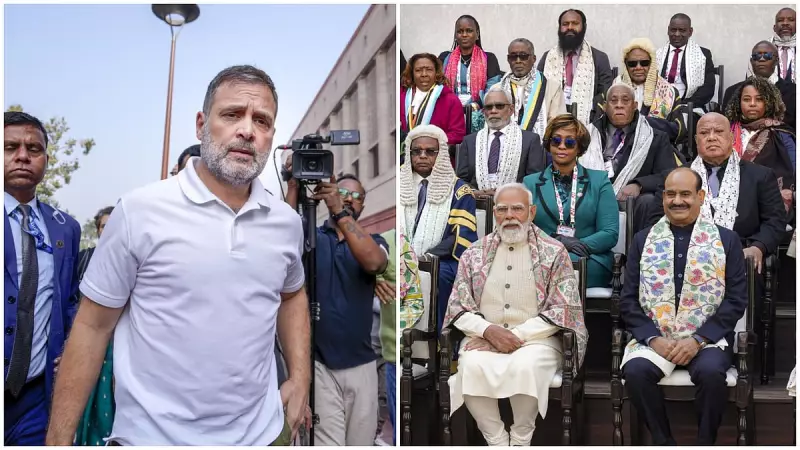
The inaugural event of the Conference of Speakers and Presiding Officers of the Commonwealth (CSPOC) in Delhi has become a focal point of political debate. Rahul Gandhi, a prominent leader of the Indian National Congress, did not attend the gathering. His conspicuous absence has sparked a row among political circles and observers.
Questions Arise Over Invitation Details
Key questions have emerged regarding whether Rahul Gandhi received an official invitation to the CSPOC inaugural. Sources indicate that the event, held in the national capital, saw participation from various dignitaries and parliamentary officials. However, Gandhi's non-attendance has led to speculation and discussions about the protocols and invitations extended to opposition leaders.
Some reports suggest that invitations were sent to all members of Parliament, including those from the opposition. Others argue that specific leaders might not have been included due to procedural oversights or political considerations. This ambiguity has fueled the ongoing controversy.

Political Reactions and Implications
The row over Rahul Gandhi's absence has drawn reactions from different political factions. Supporters of the Congress party have raised concerns about the treatment of opposition figures in parliamentary events. They emphasize the importance of inclusivity and transparency in such high-profile gatherings.
On the other hand, critics point out that attendance at such events is often based on formal invitations and parliamentary norms. They argue that the focus should remain on the substantive discussions at the CSPOC conference rather than individual absences.
The CSPOC event aims to foster dialogue and cooperation among Commonwealth nations on parliamentary practices. Despite the controversy, the conference proceeded with its agenda, addressing issues related to legislative processes and governance.
Broader Context of Parliamentary Engagement
This incident highlights broader themes of political engagement and representation in India's parliamentary system. It underscores the ongoing tensions between the ruling party and the opposition, especially in the context of international events hosted in the country.
Observers note that such rows are not uncommon in Indian politics, where symbolic gestures and attendance at events can carry significant political weight. The debate over Rahul Gandhi's invitation status reflects deeper issues of protocol and partisanship.
As the story develops, it remains to be seen whether further clarifications will be provided by parliamentary authorities or political parties involved. The incident serves as a reminder of the intricate dynamics at play in India's democratic landscape.