Rajaji Statue at Rashtrapati Bhavan Ignites Political Controversy and Internal Rifts
The recent installation of a statue honoring C. Rajagopalachari, popularly known as Rajaji, at Rashtrapati Bhavan has sparked significant political debate and exposed deep divisions within opposition parties. This move, which involved replacing a bust of British architect Edwin Lutyens, is being framed as a step toward shedding colonial baggage, but it has met with mixed reactions from political leaders.
Shashi Tharoor Applauds the Tribute to Rajaji
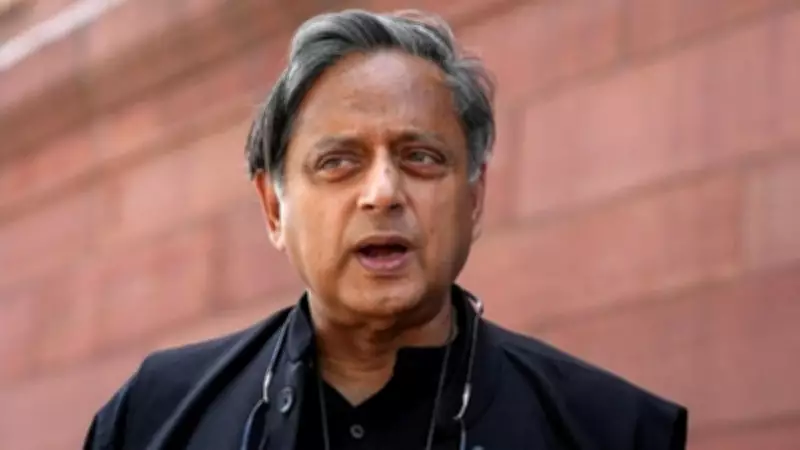
Congress MP Shashi Tharoor expressed his approval of the statue, highlighting Rajaji's historical significance. In a social media post, Tharoor noted that Rajaji was the first Indian occupant of Rashtrapati Bhavan, serving as the only Indian Governor-General of India before the country became a Republic. He praised Rajaji's convictions and his role in transitioning power to the new President, emphasizing the importance of honoring such figures in India's post-colonial narrative.
Opposition from Congress and INDI Alliance Members
Despite Tharoor's support, the move has faced opposition from within the Congress party and members of the INDI alliance. Critics, including figures like ILTIJI Mufti and Uddhav Sena, have voiced their dissent, arguing against the replacement of the Lutyens bust. This opposition underscores a broader conflict within these groups over how to address India's colonial past and what symbols should be preserved or removed in public spaces.

Political Implications and Internal Conflicts
The controversy highlights the ongoing tensions within the Congress and INDI alliance regarding their stance on colonial legacy and national identity. While some view the statue as a positive step toward decolonization, others see it as a divisive act that could alienate certain voter bases or undermine historical continuity. The split reflects deeper ideological differences that may impact future political strategies and alliances.
Key Points of the Debate:
- Rajaji's statue replaces a Lutyens bust at Rashtrapati Bhavan, symbolizing a move away from colonial influences.
- Shashi Tharoor supports the installation, citing Rajaji's role as the first Indian Governor-General.
- Congress and INDI alliance members oppose the change, revealing internal disagreements over colonial symbolism.
- The issue raises questions about how political parties navigate India's colonial history in contemporary discourse.
As the debate continues, it remains to be seen how this will affect the cohesion of opposition parties and their public image. The statue of Rajaji at Rashtrapati Bhavan serves as a focal point for broader discussions on nationalism, history, and political unity in India.