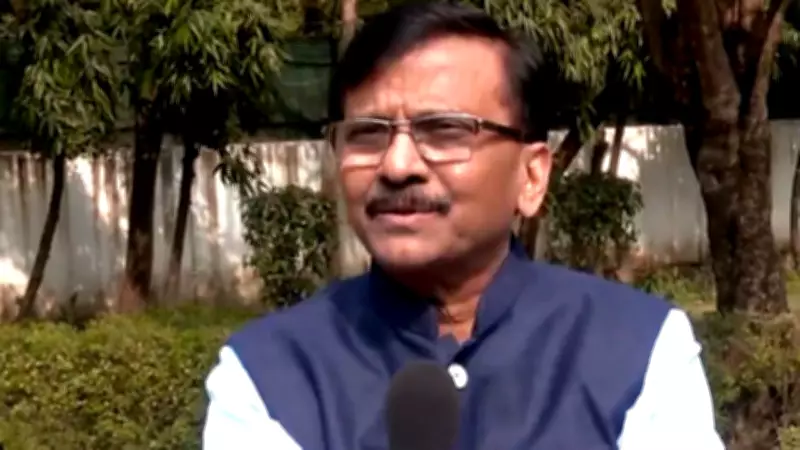
Sanjay Raut Condemns BJP for Alleged 'Dadagiri' in Cricket Diplomacy
Shiv Sena (UBT) leader Sanjay Raut has launched a sharp critique against the Bharatiya Janata Party (BJP), accusing it of fostering what he terms 'dadagiri' or bullying in the realm of sports. This accusation stems from a recent incident where Indian cricketers reportedly refrained from shaking hands with their Pakistani counterparts during a match. Raut's comments highlight a growing political tension surrounding India-Pakistan cricket relations, with his party firmly opposing such sporting engagements between the two nations.
Political Overtones in Cricket Gestures
In a statement made on February 17, 2026, Raut expressed his dismay over the perceived lack of sportsmanship displayed by Indian players. He argued that this behavior is not merely a personal choice but is influenced by political directives from the BJP. According to Raut, such actions undermine the spirit of cricket and international camaraderie, turning the sport into a tool for political posturing. He emphasized that his party, Shiv Sena (UBT), holds a consistent stance against organizing matches between India and Pakistan, citing ongoing diplomatic strains and security concerns.
Raut's Call to Halt India-Pakistan Matches
Raut further elaborated on his party's position, stating that they believe it is inappropriate to continue cricket fixtures between the two countries under current circumstances. He pointed to historical precedents where sports have been used to bridge divides, but in this case, he sees the gestures as exacerbating tensions. The leader's remarks come at a time when cricket diplomacy often serves as a barometer for bilateral relations, with many viewing such incidents as reflective of broader political dynamics.

Implications for Sports and Politics
This controversy raises important questions about the intersection of sports and politics in India. Raut's allegations suggest that the BJP's influence extends into athletic arenas, potentially affecting player behavior and international perceptions. Critics argue that such politicization could harm India's reputation in global sports, while supporters may view it as a necessary stance given geopolitical realities. The incident has sparked debates on social media and among cricket enthusiasts, with opinions divided on whether sports should remain apolitical or serve national interests.
As the discussion unfolds, Raut's comments underscore the delicate balance between maintaining national pride and fostering international goodwill through sports. His use of the term 'dadagiri' resonates with those who perceive aggressive tactics in political spheres, adding a layer of cultural context to the debate. Moving forward, this episode may influence future decisions regarding India-Pakistan cricket matches, with stakeholders from both sports and political domains likely to weigh in on the matter.