Reform UK's Richard Tice Defends Tax Strategy Amid Labour Criticism
Richard Tice, deputy leader of Reform UK, has strongly defended his tax affairs following reports that his property company avoided nearly £600,000 in corporation tax. Tice asserted that his firm, Quidnet REIT Ltd, complied fully with UK tax laws and accused critics of promoting a "new moral code" that pressures individuals to pay more tax than legally required.
"No Obligation to Pay the Maximum"
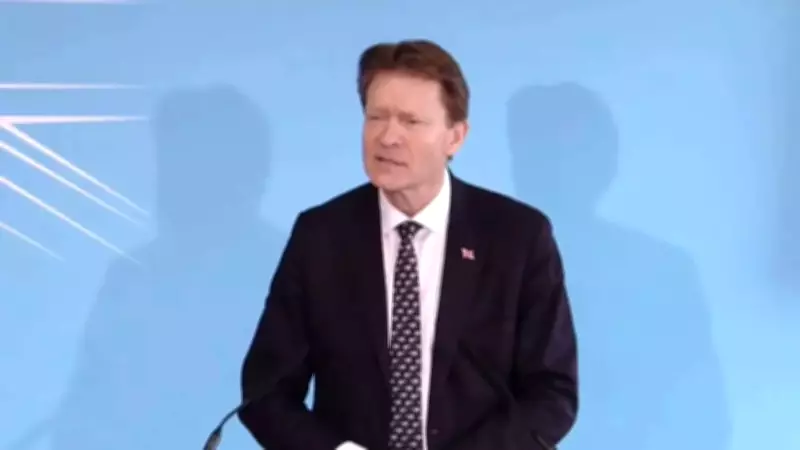
Speaking at a Westminster press conference, Tice argued that expecting citizens to voluntarily pay the highest possible tax would harm the UK economy. "There is no obligation to pay more tax than the law requires," he stated. "How many people do you know who voluntarily choose to pay the absolute maximum tax possible?" According to Tice, creating a moral expectation to overpay taxes would discourage entrepreneurship and drive successful individuals away from the country.
How the Tax Arrangement Worked
Reports in The Sunday Times claimed that Quidnet avoided corporation tax between 2018 and 2021 by obtaining Real Estate Investment Trust (REIT) status. Under UK regulations, REITs are exempt from corporation tax on property profits if they distribute a significant portion of earnings to shareholders, who then pay tax individually. The newspaper alleged that dividends were routed through structures including an offshore trust and several dormant companies, reducing Tice's personal tax exposure. However, the investigation also noted that the arrangement appeared to comply with existing laws.

Labour Calls for HMRC Investigation
The controversy escalated after Anna Turley, chair of the Labour Party (UK), formally requested HM Revenue and Customs to investigate Tice's tax arrangements. Turley described the case as "deeply troubling" and questioned whether the REIT status had been used in a manner contrary to its intended purpose. She argued that Reform UK cannot claim to represent working people while its senior figures utilize complex financial structures to reduce tax liabilities.
Tice Fires Back at Labour
Tice countered by accusing Labour of hypocrisy, pointing to the party's own property arm, Labour Party Properties Ltd. He claimed the company had generated over £30 million in rental income in the past 25 years but paid "zero corporation tax" due to costs and expenses offsetting the revenue. "A big, fat zero," Tice remarked, suggesting Labour should address questions about its own finances before criticizing others.
Tax Avoidance vs Tax Evasion
The debate highlights a key distinction in tax law. Tax evasion, which involves illegally hiding income or falsifying records, is a criminal offence. Tax avoidance, by contrast, entails using legal mechanisms to reduce tax liabilities. Critics argue that aggressive tax planning undermines the spirit of the law, while supporters assert that taxpayers have every right to minimize what they pay. For Tice, the answer is straightforward: "Yes, of course people should pay the minimum tax legally possible."
In a tweet, Tice thanked The Sunday Times and Dan Neidle for confirming that his tax planning was "entirely legitimate," calling the headline claims "libellous" and part of an establishment attempt to smear him and his party.