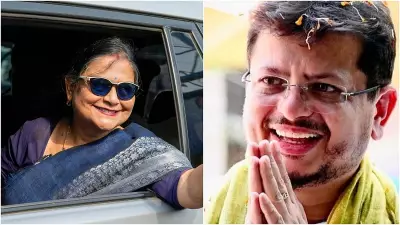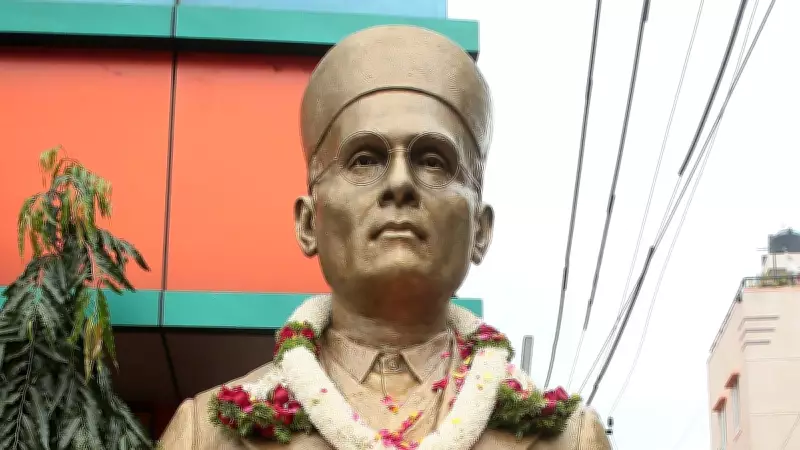
Satyaki Savarkar, the grandnephew of Vinayak Damodar Savarkar, has admitted in court that the latter filed 10 clemency petitions while imprisoned by the British. This revelation has reignited political debates over Savarkar's legacy, with Congress and BJP-RSS clashing over his nationalist credentials.
Key Points
Admission in Court
Satyaki Savarkar confirmed that Vinayak Damodar Savarkar filed 10 mercy petitions during his imprisonment under British rule, a fact that has become a flashpoint in ideological battles.
Political Fallout
The admission has reignited ideological battles between Congress and the BJP-RSS over Savarkar's nationalist credentials. Congress leaders have used it to question his commitment to the freedom struggle, while the BJP-RSS argue that seeking clemency was a legal strategy.

Historical Context
Satyaki Savarkar argued that filing clemency petitions was a standard legal practice under British rule and not an act of submissiveness. He emphasized that many prisoners used legal avenues to seek reprieve.
Contrast with Revolutionaries
He noted that other freedom fighters like Bhagat Singh did not file mercy petitions, highlighting differing approaches to colonial rule. This contrast has been used by critics to portray Savarkar as less resolute.
Ongoing Legal Dispute
The case stems from Rahul Gandhi's 2023 remarks, deemed defamatory by Pune Police, now in the evidence stage. The controversy continues to fuel political discourse.
Key Statistics
- 10: Number of mercy petitions filed by Savarkar
- 1911 to 1921: Timeframe of Savarkar's imprisonment
- March 2023: Timeline of Gandhi's remarks
- September 2024: Court case transfer date
Processed with AI. Reviewed by DH Digital Team.