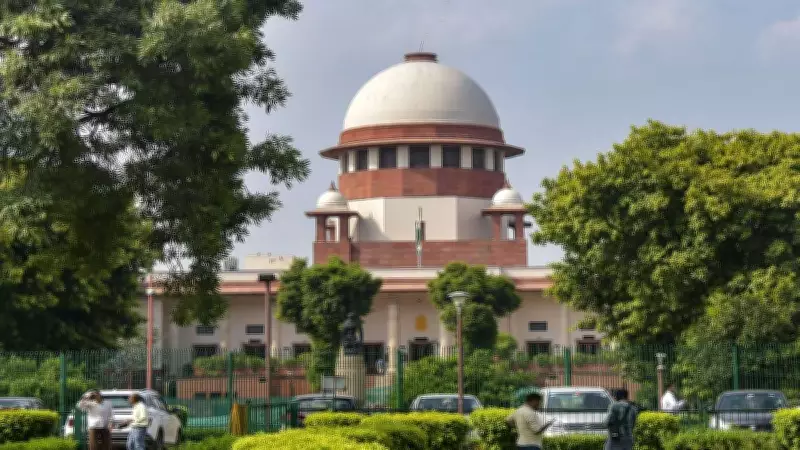
Supreme Court Intervenes in West Bengal Voter List Impasse
The Supreme Court of India has taken a decisive step to address the ongoing impasse in West Bengal regarding the revision of voter lists. In a significant move aimed at ensuring electoral integrity, the court has appointed judicial officers to oversee the process of handling claims and objections related to the voter list revisions. This intervention comes amid concerns over transparency and fairness in the state's electoral preparations.
Background of the SIR Impasse
The impasse, often referred to as the SIR (Special Intensive Revision) issue, has been a point of contention in West Bengal's political landscape. The revision of voter lists is a critical process that must be conducted with utmost accuracy and impartiality to uphold democratic principles. However, disputes and allegations of irregularities have plagued the process, leading to delays and public outcry.
The Supreme Court's intervention was prompted by petitions highlighting potential malpractices and the need for independent oversight. The court emphasized that the integrity of the electoral roll is fundamental to free and fair elections, and any lapses could undermine public trust in the democratic system.

Role of Appointed Judicial Officers
The judicial officers appointed by the Supreme Court will play a pivotal role in supervising the claims and objections filed during the voter list revision process. Their responsibilities include:
- Reviewing all claims and objections submitted by citizens regarding inclusions or exclusions in the voter list.
- Ensuring that the process adheres to legal guidelines and is conducted without bias or external influence.
- Providing recommendations to the Election Commission of India based on their findings to facilitate timely and accurate revisions.
This appointment is seen as a measure to instill confidence among stakeholders, including political parties and the general public, that the voter list will be updated in a transparent and equitable manner.
Implications for West Bengal's Electoral Process
The Supreme Court's decision is expected to have far-reaching implications for West Bengal's electoral dynamics. By introducing judicial oversight, the court aims to:
- Prevent potential manipulation of voter lists, which could affect election outcomes.
- Accelerate the resolution of disputes, ensuring that the revision process is completed efficiently before upcoming elections.
- Set a precedent for handling similar issues in other states, promoting uniformity and fairness in electoral management across India.
Political analysts note that this move could reduce tensions and foster a more cooperative environment among competing parties in West Bengal. It underscores the judiciary's role in safeguarding democratic institutions and ensuring that electoral processes are conducted with integrity.
Reactions and Future Steps
Reactions to the Supreme Court's intervention have been mixed, with some welcoming it as a necessary step to uphold electoral transparency, while others express concerns over potential delays. However, the court has directed all parties to cooperate with the appointed judicial officers to ensure a smooth and timely process.
The next steps involve the judicial officers beginning their oversight duties immediately, with regular reports to be submitted to the court. The Election Commission of India is expected to work closely with them to implement any recommended changes to the voter list.
In conclusion, the Supreme Court's appointment of judicial officers to oversee West Bengal's voter list revisions marks a critical intervention in the state's electoral framework. It highlights the importance of independent oversight in maintaining the credibility of democratic processes and sets a benchmark for future electoral management in India.