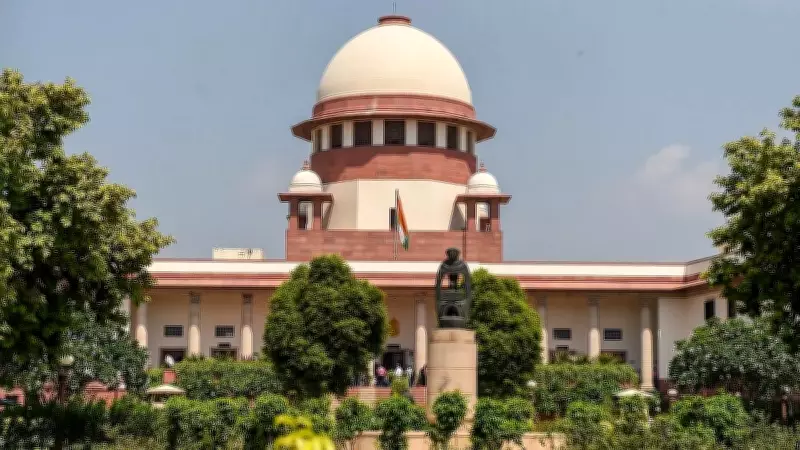
The Supreme Court Collegium, led by Chief Justice of India D.Y. Chandrachud, has recommended the elevation of four high court chief justices and a senior advocate to the apex court. The move is aimed at filling five existing vacancies in the Supreme Court, which is currently functioning with 29 judges against a sanctioned strength of 34.
Recommendations for Elevation
The Collegium, in a meeting held on Wednesday, recommended the names of Chief Justice of the Patna High Court, Justice K. Vinod Chandran; Chief Justice of the Gujarat High Court, Justice A.S. Oka; Chief Justice of the Karnataka High Court, Justice P.S. Dinesh Kumar; and Chief Justice of the Rajasthan High Court, Justice Augustine George Masih for elevation as judges of the Supreme Court. Additionally, the Collegium has recommended the name of senior advocate P.V. Balasubramanian for direct elevation to the Supreme Court.
Process and Approval
The recommendations have been sent to the Ministry of Law and Justice for processing. Once the government approves the names, the appointments will be formalized through a warrant issued by the President of India. The Collegium's decision is based on merit, seniority, and the need for diversity in the apex court.

Background and Significance
The Supreme Court has been grappling with a high vacancy rate, leading to delays in the disposal of cases. The elevation of these five judges is expected to provide some relief. The inclusion of a senior advocate as a direct appointee is notable, as it recognizes exceptional legal acumen and experience outside the judiciary.
The Collegium system, which involves the Chief Justice and the four senior-most judges of the Supreme Court, has been the subject of debate over transparency and accountability. However, it remains the mechanism for appointments to the higher judiciary as per the prevailing legal framework.
Reactions
Legal experts have welcomed the recommendations, emphasizing the need for timely appointments to ensure the efficient functioning of the Supreme Court. The Bar Council of India and various bar associations have expressed hope that the new judges will contribute to the judiciary's independence and effectiveness.
The appointments are expected to be finalized in the coming weeks, pending government clearance.