

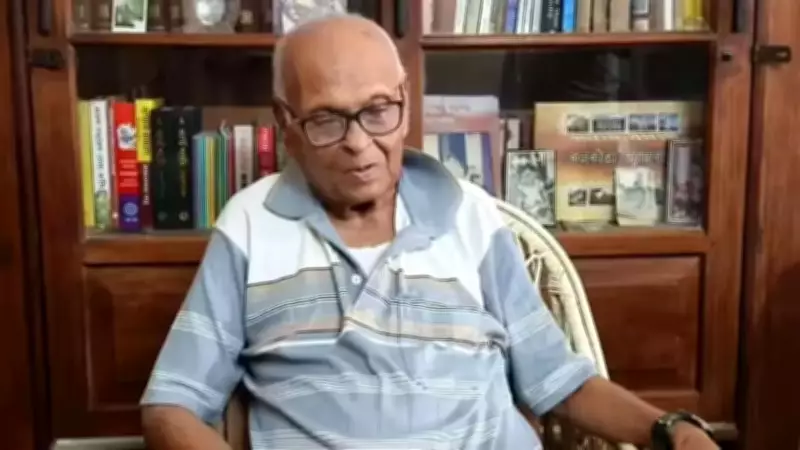
Supreme Court Directs Expedited Hearing in Voter Roll Deletion Case Involving Nandalal Bose's Grandson
The Supreme Court of India has intervened in a significant electoral matter, requesting the SIR appellate tribunal to conduct an expeditious hearing of an appeal filed by Suprabuddha Sen, the maternal grandson of renowned painter Nandalal Bose. The appeal challenges the deletion of his name from the electoral roll, a move that has raised questions about voter registration processes in West Bengal.
Family Names Struck Off Despite Document Submission
In a concerning development, the names of Suprabuddha Sen, aged 88, and his 82-year-old wife Deepa were removed from the electoral roll despite having submitted all required documentation. This includes educational certificates and passports that should have validated their eligibility. The family, which has resided generationally in Santiniketan, found themselves unexpectedly disenfranchised.
"We would not have any illustrations in the Constitution if not for his grandfather," advocate Menaka Guruswamy told the bench during proceedings, highlighting the historical significance of Nandalal Bose's contributions to Indian art and culture.

Legal Proceedings and Personal Anguish
The three-judge bench comprising Chief Justice Surya Kant and justices Joymalya Bagchi and Vipul Pancholi was hearing multiple cases related to the SIR process implementation in Bengal when Sen's interlocutory application came before them. Sen had already filed an appeal with the tribunal earlier on Monday morning as his primary recourse.
Expressing his frustration, Sen told reporters: "I have already filed an appeal with the tribunal. As a second line of defence, I had earlier submitted an application as a new voter. From my side, I have done everything I could. Now, I have no option but to wait. I feel like I'm stuck in a whirlwind."
The octogenarian added that he has appealed not just for himself, but also for his wife and their caretaker, whose names were similarly deleted from voter lists despite proper documentation.
Broader Implications and Judicial Observations
Senior advocate Kapil Sibal noted during proceedings that "there are many like Bose's grandson" facing similar challenges with electoral roll deletions. The legal team had requested an extension of the electoral roll freezing deadline to April 15 to accommodate appeals that might be disposed after the initial phases of electoral processes.
Representing the Election Commission, senior advocate Dama Seshadri Naidu assured the court that all necessary assistance would be provided to the tribunal in deciding the appeal. However, he maintained that judicial officers had already examined the cases, and those aggrieved were now exercising their right to appeal through established channels.
In a poignant moment during deliberations, Justice Joymalya Bagchi referenced Rabindranath Tagore's vision for Santiniketan, remarking: "Where tireless striving stretches its arms towards perfection... It may not always be." This observation underscored the gap between ideal democratic processes and practical implementation challenges.
Historical Context and Contemporary Relevance
The case gains additional significance given Nandalal Bose's monumental contributions to Indian art, including his work on the original Constitution of India. His descendants' struggle to maintain their basic voting rights highlights systemic issues in voter registration and verification processes that affect citizens across demographic groups.
As the Supreme Court pushes for accelerated resolution, this case serves as a critical test of electoral justice mechanisms and their responsiveness to citizen grievances, particularly for elderly voters facing bureaucratic hurdles in exercising their fundamental democratic rights.






