

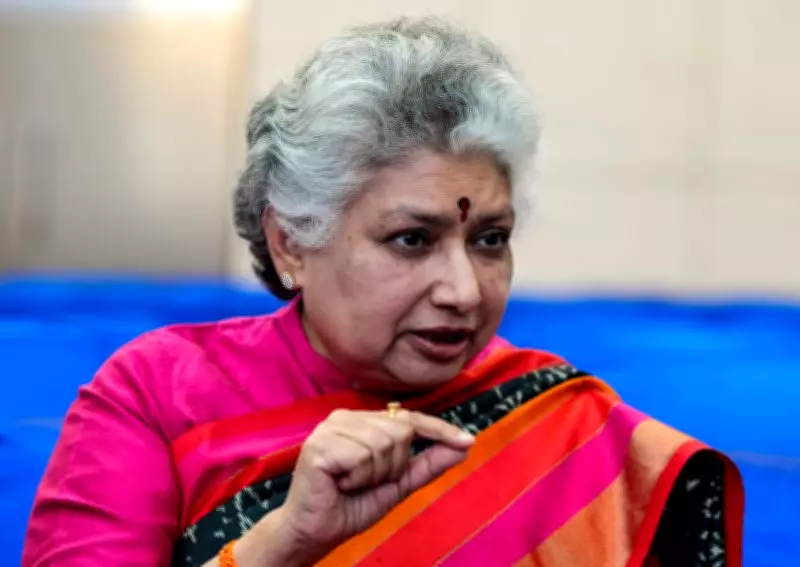
Supreme Court Judge Calls for Election Commission's Impartiality
A Supreme Court judge has issued a strong statement urging the Election Commission of India to uphold fairness and avoid being influenced by political processes. This remark underscores the judiciary's concern over the integrity of electoral institutions in the country.
Judicial Emphasis on Electoral Integrity
The judge highlighted that the Election Commission must operate with complete impartiality, free from any external pressures. This is essential for ensuring that democratic processes remain transparent and trustworthy for all citizens.
The Election Commission plays a pivotal role in safeguarding democracy, and any perception of bias could undermine public confidence in electoral outcomes. The judge's comments come at a time when electoral bodies worldwide face scrutiny over their independence.

Context and Implications
In India, the Election Commission is responsible for conducting free and fair elections, a cornerstone of the democratic system. The Supreme Court's intervention reflects ongoing debates about the need for robust institutional safeguards against political interference.
Maintaining the Commission's autonomy is crucial for preserving the sanctity of elections, as noted by legal experts. This development could influence future discussions on electoral reforms and judicial oversight.
Broader Democratic Concerns
The judge's statement aligns with broader concerns about the health of democratic institutions. It serves as a reminder that electoral bodies must remain steadfast in their commitment to neutrality, regardless of political climates.
- Ensuring the Election Commission's decisions are based on merit and law, not political considerations.
- Promoting transparency in electoral processes to build public trust.
- Upholding the rule of law to strengthen democratic foundations.
This call for fairness is expected to resonate across political and legal circles, emphasizing the need for continuous vigilance in protecting democratic values.






