

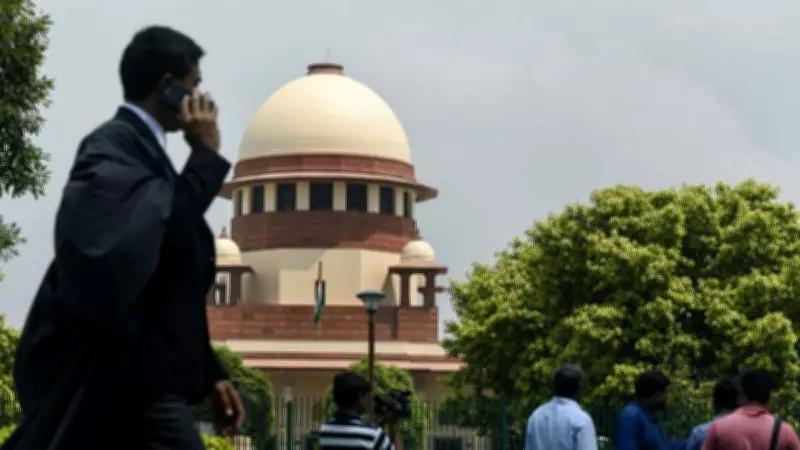
Supreme Court Seeks Response from Election Commission and Centre on Biometric Voting Implementation Plea
The Supreme Court of India has taken a significant step towards potentially revolutionizing the electoral process by issuing formal notices to the Election Commission of India (ECI) and the Central government. This action comes in response to a public interest litigation (PIL) that advocates for the implementation of advanced biometric systems, specifically fingerprint and iris scanning technologies, at all polling stations across the nation.
Details of the Petition and Court Proceedings
The petition, which was filed by a concerned citizen, argues that the current electoral system, while robust, could be further strengthened to prevent instances of voter impersonation and multiple voting. The plea emphasizes that integrating biometric authentication mechanisms would serve as a formidable deterrent against electoral malpractices, thereby bolstering the overall credibility and transparency of elections in India.
During the hearing, a bench of the Supreme Court, comprising Justices who acknowledged the importance of electoral integrity, directed the Election Commission and the Union government to submit their detailed responses within a stipulated timeframe. The court's notice underscores the judiciary's proactive approach in addressing technological advancements that could enhance democratic processes.

Potential Implications of Biometric Systems in Elections
The proposed biometric systems would involve the use of fingerprint and iris recognition technologies to verify the identity of voters at polling stations. This method is considered highly secure due to the unique biological characteristics of individuals, which are nearly impossible to replicate or forge. Proponents of the system highlight several potential benefits:
- Enhanced Security: Biometric authentication could significantly reduce the risk of fraudulent voting by ensuring that only eligible and registered voters cast their ballots.
- Increased Transparency: By providing a verifiable record of voter identity, the system could enhance public trust in the electoral outcomes.
- Efficiency Improvements: Automated biometric checks might streamline the voting process, reducing waiting times and administrative errors.
However, the implementation of such systems also raises important considerations regarding privacy, data protection, and the logistical challenges of deploying technology across diverse and often remote polling locations in India.
Responses and Future Steps
The Election Commission and the Central government are now required to present their views on the feasibility, costs, and potential timelines for integrating biometric systems into the existing electoral framework. Their responses will likely address technical, financial, and operational aspects, as well as any legal or constitutional implications.
This development marks a critical juncture in the ongoing discourse on electoral reforms in India. As the case progresses, stakeholders, including political parties, civil society organizations, and the general public, will be closely monitoring the proceedings to understand how biometric technology might shape the future of voting in the world's largest democracy.






