The Supreme Court of India has issued a clear directive to the Election Commission. The court wants the commission to publish the names of voters deleted during the Special Intensive Revision process in Kerala. This order comes in response to petitions filed before the court.
Addressing Concerns Over Voter Rights
These petitions raised serious concerns about the current execution of the SIR process. They argued that technical errors and a weak redressal system could lead to a major problem. A large segment of the population might lose their right to vote. The court's intervention aims to prevent this potential disenfranchisement.
The Core Issue with the Revision Process
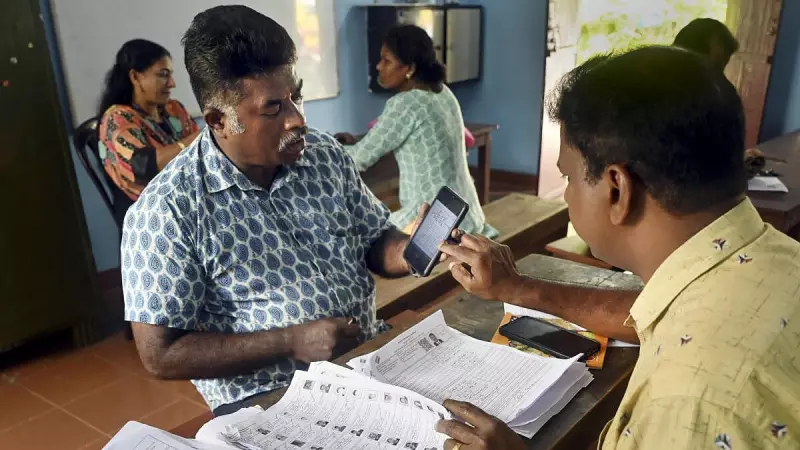
The Special Intensive Revision is a crucial exercise for updating voter lists. However, the petitioners highlighted significant flaws. They pointed out that technical glitches during the process could wrongly remove eligible voters. Furthermore, the existing mechanism for citizens to challenge deletions was deemed inadequate. People might find it difficult to get their names reinstated if errors occur.

By ordering the publication of deleted names, the Supreme Court seeks to bring transparency. This move allows affected individuals to check if their names have been removed. It provides them with an opportunity to seek correction through proper channels. The court's directive emphasizes the fundamental right to vote in a democracy.
Implications for Kerala and Electoral Integrity
This decision has immediate importance for the state of Kerala. It ensures that the voter list revision does not accidentally exclude legitimate voters. The Election Commission must now comply with the court's order and make the list public. This step is expected to bolster confidence in the electoral process. It reinforces the principle that every eligible citizen should have a voice in choosing their representatives.
The Supreme Court's action underscores its role in safeguarding democratic rights. It intervenes when administrative processes may infringe upon fundamental freedoms. The focus remains on protecting citizens from being unjustly stripped of their voting power. This ruling sets a precedent for handling similar concerns in other states as well.