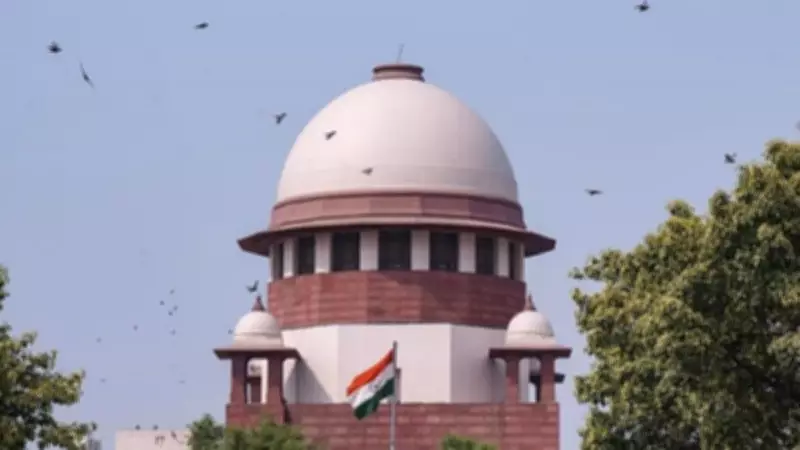
The Supreme Court of India, during the hearing of the Dawoodi Bohra case, made a significant observation that questioning religious practices could potentially break religion and civilisation. The bench remarked that religious practices are deeply intertwined with the fabric of civilisation, and any challenge to them must be approached with caution.
Background of the Case
The Dawoodi Bohra community, a sect of Shia Islam, has been embroiled in a legal dispute concerning certain religious practices. The case reached the Supreme Court, where the constitutional validity of these practices was examined. The court's observation came in response to arguments presented by the petitioners, who sought to challenge the practices on grounds of fundamental rights.
Arguments Presented
Senior advocate K.K. Venugopal, representing the community, argued that religious practices are integral to the identity of the Dawoodi Bohras and should be protected under Article 25 of the Constitution, which guarantees the freedom of religion. He emphasised that the practices in question have been followed for centuries and are essential to the community's faith.

On the other hand, advocate Prashant Bhushan, appearing for the petitioners, contended that no religious practice can be immune from constitutional scrutiny. He argued that practices that violate fundamental rights, such as the right to equality and the right against discrimination, must be struck down.
Court's Observation
The Supreme Court observed that while constitutional values are paramount, one must also consider the societal impact of questioning long-standing religious practices. The bench stated, "If we start questioning every religious practice, it may break the very foundation of religion and civilisation. However, this does not mean that practices which are unconstitutional can be allowed to continue."
The court further noted that India is a civilisation under the Constitution, and therefore, nothing that goes against the grain of the Constitution can be permitted in a civilised society. The bench added that a balance must be struck between religious freedom and constitutional morality.
Reactions from the Community
The Dawoodi Bohra community has welcomed the court's observation, stating that it recognises the importance of preserving religious traditions. Community leaders expressed hope that the court would uphold their right to practice their faith without interference.
However, human rights activists have expressed concern that the observation might set a precedent that shields religious practices from judicial review. They argue that no practice, however ancient, should be exempt from constitutional scrutiny if it violates fundamental rights.
Next Steps
The Supreme Court has reserved its judgment in the case. The final decision is expected to clarify the extent to which religious practices can be protected under the Constitution. Legal experts believe that the judgment will have far-reaching implications for the interpretation of religious freedom in India.