

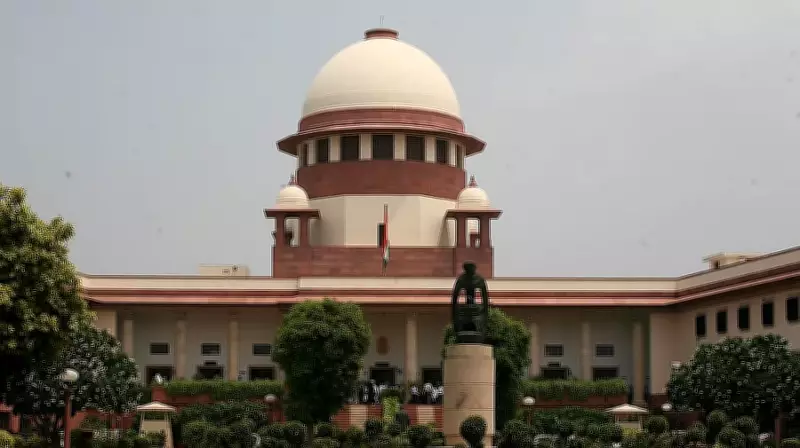
Supreme Court Declines to Entertain Plea for Mandatory Voting in India
The Supreme Court of India has firmly refused to consider a plea that sought to make voting compulsory for all eligible citizens in the country. In a significant ruling, the bench underscored the impracticalities and challenges associated with enforcing such a law, emphasizing the real-world constraints faced by many individuals during election periods.
Practical Difficulties Highlighted by the Bench
The court pointed out that implementing a mandatory voting law would pose substantial practical difficulties. On election days, a large number of citizens, including judges, government employees, and workers across various sectors, are required to fulfill their professional duties and cannot always be excused to cast their votes. This reality makes it challenging to enforce compulsory participation without disrupting essential services and daily operations.
The bench further elaborated that while the intent to increase voter turnout is commendable, the legal and logistical hurdles of mandating voting are too significant to overlook. The court emphasized that democracy thrives on voluntary participation and that coercive measures might not align with the principles of free and fair elections.

Context and Implications of the Ruling
This decision comes amid ongoing debates about electoral reforms and ways to enhance voter engagement in India. Proponents of compulsory voting argue that it could boost turnout and ensure a more representative government, but opponents, including the Supreme Court, caution against the potential infringement on personal freedoms and the administrative burdens involved.
The ruling reinforces the judiciary's stance on balancing democratic ideals with practical governance. It also highlights the need for alternative strategies, such as voter education and awareness campaigns, to encourage participation without resorting to legal mandates.
In summary, the Supreme Court's refusal to entertain the plea for compulsory voting marks a pivotal moment in India's electoral discourse, prioritizing feasibility and individual choice over enforced participation.






