

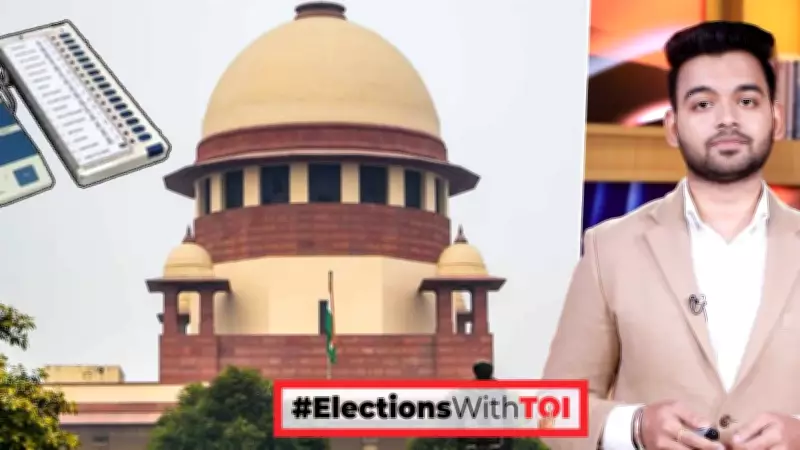
Supreme Court Seeks Report from Calcutta HC Chief Justice on Bengal Tribunal Functioning
The Supreme Court of India has taken a significant step by formally requesting a detailed report from the Chief Justice of the Calcutta High Court. This action addresses mounting concerns over the operational effectiveness of appellate tribunals under the Special Intensive Revision (SIR) process in West Bengal. The core issue revolves around the handling of appeals against deletions from voter lists, with allegations surfacing that these tribunals are not functioning in a uniform or transparent manner across the state.
Concerns Over Voter List Appeal Processes
As per submissions presented before the Supreme Court, there are serious apprehensions regarding how appeals are being processed. Affected voters have reported receiving only SMS-based appeal numbers, with no subsequent information on hearing dates, case status, or procedural updates. This lack of clarity has led to widespread confusion and frustration among applicants, who are left in the dark about the progress of their cases.
Legal experts have highlighted the absence of a centralized system for tracking appeals and tribunal decisions, which exacerbates the confusion. Without a unified platform, applicants struggle to monitor their cases, leading to delays and potential disenfranchisement. Reports further indicate that hearings are being conducted in varied formats across different locations, with some proceedings held physically and others virtually, adding to the inconsistency.

Broader Implications for Electoral Transparency
The matter has raised broader concerns about procedural consistency, transparency, and accessibility within the electoral appeal mechanism. Allegations suggest that access to legal representation and the acceptance of physical applications are not uniformly available, potentially disadvantaging certain groups of voters. This situation threatens the integrity of the electoral process in West Bengal, as it may undermine public trust in the fairness of voter list revisions.
The Supreme Court's intervention underscores the importance of ensuring that all citizens have equal and clear access to appeal procedures. By seeking a report from the Calcutta High Court Chief Justice, the court aims to assess the current state of tribunal functioning and identify areas for improvement to uphold democratic principles.
Next Steps and Legal Scrutiny
The report requested by the Supreme Court is expected to provide a comprehensive overview of the challenges faced by the appellate tribunals. It will likely include recommendations for standardizing procedures, enhancing transparency, and implementing a centralized tracking system. Legal observers anticipate that this move could lead to reforms in how voter list appeals are managed, not only in West Bengal but potentially across other states as well.
As the situation develops, stakeholders including political parties, civil society organizations, and affected voters will be closely monitoring the outcomes. The Supreme Court's proactive stance highlights its role in safeguarding electoral integrity and ensuring that procedural lapses are addressed promptly to maintain public confidence in the democratic process.






