Supreme Court Demands Full Disclosure of NCERT Textbook Committee
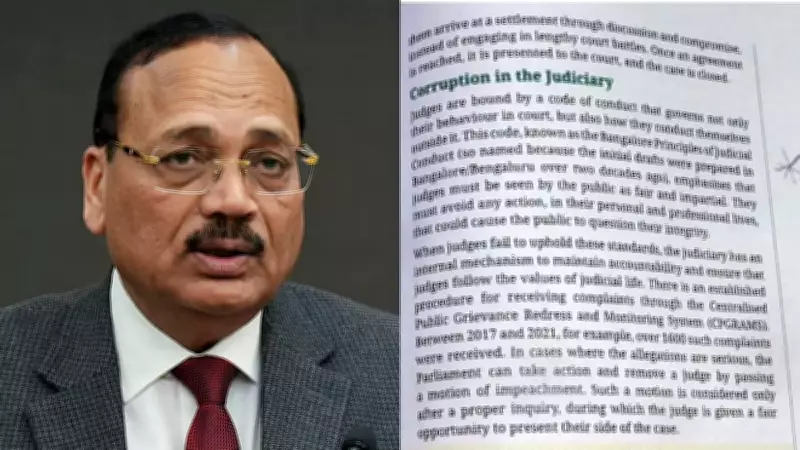
The Supreme Court of India has taken a significant step toward ensuring accountability in educational content by formally requesting detailed information about the National Council of Educational Research and Training (NCERT) committee responsible for drafting a chapter on corruption. This directive specifically targets the team behind chapter No. 4, which addresses issues of corruption in society.
Court Seeks Specific Names and Credentials
In a move that underscores the judiciary's commitment to transparency, the court has mandated the NCERT to provide the exact names and professional credentials of all individuals involved in the textbook development process for this chapter. This request aims to shed light on the qualifications and backgrounds of those shaping educational materials for students across the country.
The Supreme Court's intervention highlights growing concerns over the integrity and objectivity of educational content, particularly in sensitive areas like governance and ethics. By seeking these details, the court is emphasizing the need for a clear and accountable framework in textbook preparation.

Implications for Educational Transparency
This development could have far-reaching consequences for how educational bodies operate, potentially setting a precedent for greater scrutiny of committee selections and content creation processes. The focus on the 'corruption' chapter suggests a particular interest in ensuring that such topics are handled with utmost care and expertise.
Experts believe that this move by the Supreme Court may lead to more rigorous standards in textbook development, ensuring that committees are composed of qualified professionals who can provide balanced and accurate information.
The court's action comes at a time when there is increasing public and judicial attention on the quality and impartiality of educational resources in India. It reflects a broader trend toward demanding higher levels of accountability from institutions involved in shaping young minds.
Next Steps and Broader Context
As the NCERT prepares to comply with the court's order, stakeholders in the education sector are watching closely to see how this will impact future textbook revisions and committee formations. The outcome of this case could influence policies on educational content nationwide.
This incident also ties into larger discussions about the role of the judiciary in overseeing educational standards and ensuring that curricula align with constitutional values and societal needs.