Supreme Court Seeks Responses on Biometric Voter Database Proposal
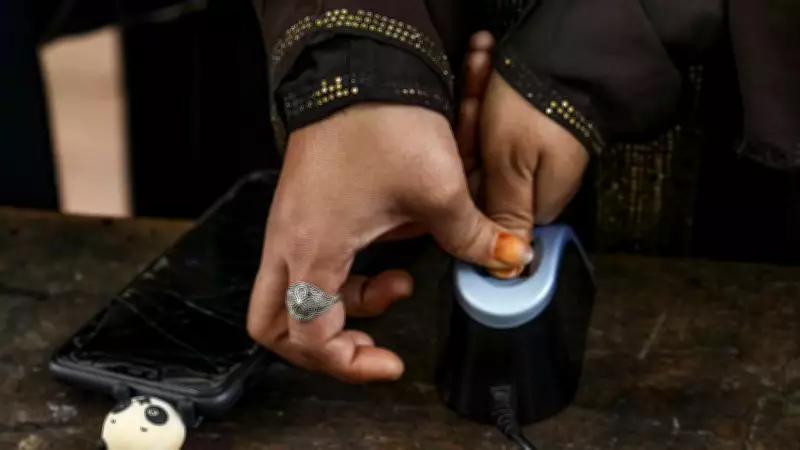
The Supreme Court of India has taken a significant step toward addressing electoral integrity concerns by seeking formal responses from the Election Commission of India and the Central Government regarding a Public Interest Litigation (PIL) that advocates for the establishment of a comprehensive pan-India biometric database. This database would utilize fingerprint and iris recognition technology to authenticate voters directly at polling booths, aiming to eradicate fraudulent voting practices such as bogus, proxy, and ghost voting.
Court's Cautious Approach to Implementation Timeline
A bench presided over by Chief Justice of India Surya Kant and Justice Joymalya Bagchi heard the arguments presented by petitioner Ashwini Kumar Upadhyay. While acknowledging the merits of the proposal, the bench explicitly clarified that implementing such a sophisticated biometric authentication system is not feasible during the upcoming or ensuing elections due to logistical and time constraints. However, the court recognized the potential long-term benefits and has directed the Election Commission and the Centre to provide their detailed views and assessments on the possibility of integrating biometric verification mechanisms in future parliamentary and state assembly elections.
Petitioner's Arguments for Biometric Authentication
Ashwini Kumar Upadhyay, the petitioner, presented a compelling case highlighting the vulnerabilities in the current voter identification system. He argued that the existing method, which relies primarily on physical voter ID cards and manual verification by polling officials, is inherently susceptible to various forms of misuse and manipulation. Key issues identified include:

- Outdated Photographs: Many voter ID cards contain old photographs that no longer accurately represent the voter, making visual verification unreliable.
- Clerical Errors: Manual data entry mistakes can lead to inaccuracies in the electoral rolls, facilitating fraudulent entries.
- Lack of Real-Time Validation: The current system does not allow for instant, on-the-spot cross-verification against a central database to confirm a voter's identity and eligibility at the moment of voting.
Upadhyay emphasized that a shift to biometric authentication would directly address these flaws by providing a secure, unique, and nearly impossible-to-forge method of identifying voters. This technology would effectively eliminate duplicate registrations, prevent impersonation, and stop ghost voting—where votes are cast in the names of deceased individuals or fictitious persons—thereby strengthening the democratic process and ensuring that every vote cast is legitimate.
Potential Impact and Future Considerations
The Supreme Court's decision to seek responses marks a preliminary but crucial phase in examining a technological solution to a persistent problem in Indian elections. The proposal for a national biometric database raises important discussions about:
- Technological Feasibility: Assessing the infrastructure, cost, and technical requirements for deploying such a system across India's vast and diverse polling stations.
- Data Privacy and Security: Ensuring the protection of sensitive biometric information from breaches and misuse.
- Inclusivity: Addressing potential challenges for voters who may have difficulties with biometric scans due to age, occupation, or disabilities.
- Legal and Administrative Framework: Determining the necessary legislative changes and administrative protocols to implement and manage the system effectively.
The responses from the Election Commission and the Central Government will be pivotal in shaping the future discourse on electoral reforms. Their insights will help the court evaluate whether biometric authentication can be a viable, secure, and practical tool for enhancing the integrity of India's electoral process in the years to come.