Supreme Court to Hear ED's Plea Against Mamata Banerjee's Alleged Interference in I-PAC Raids
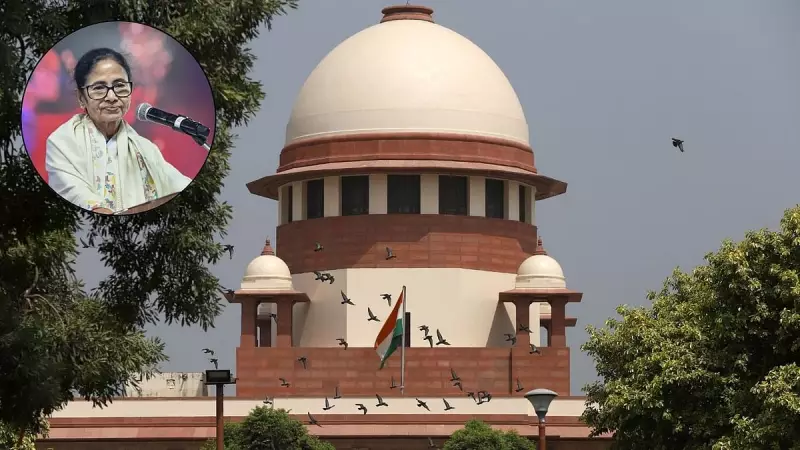
The Supreme Court of India has scheduled a hearing for Thursday to consider a plea filed by the Enforcement Directorate (ED). The central agency is seeking judicial intervention against what it describes as interference by West Bengal Chief Minister Mamata Banerjee in recent raids conducted on the political-consultancy firm I-PAC.
Background of the I-PAC Raids and Legal Proceedings
Last week, the Enforcement Directorate carried out a series of raids targeting the offices and associates of I-PAC, a prominent political-strategy firm. These actions were part of an ongoing investigation into alleged financial irregularities and potential violations of laws.
In response to the raids, the ED has approached the Supreme Court with a formal plea. The agency claims that Chief Minister Mamata Banerjee attempted to obstruct or influence the investigation process. This alleged interference has raised significant legal and constitutional questions regarding the separation of powers between state and central authorities.

West Bengal Government's Preemptive Legal Move
Anticipating potential legal developments, the West Bengal government has taken a proactive step by filing a caveat in the Supreme Court. A caveat is a legal notice that requests the court not to pass any order without first hearing the party that filed it.
In this instance, the state government's caveat specifically asks that no orders related to the ED's plea be issued without giving West Bengal an opportunity to present its side. This move underscores the state's determination to defend its position and ensure due process is followed in the high-stakes case.
Implications and Broader Context
The upcoming Supreme Court hearing on Thursday is expected to be closely watched across political and legal circles in India. It touches upon critical issues such as the autonomy of central investigative agencies, the limits of state government authority, and the broader dynamics of federalism in the country.
Political analysts suggest that the case could have far-reaching consequences for how similar situations are handled in the future. The involvement of a high-profile figure like Mamata Banerjee adds to the case's significance, making it a focal point in the ongoing tensions between the central government and opposition-led states.
As the legal battle unfolds, all eyes will be on the Supreme Court's proceedings. The outcome could set important precedents regarding the balance of power and the rule of law in India's complex political landscape.