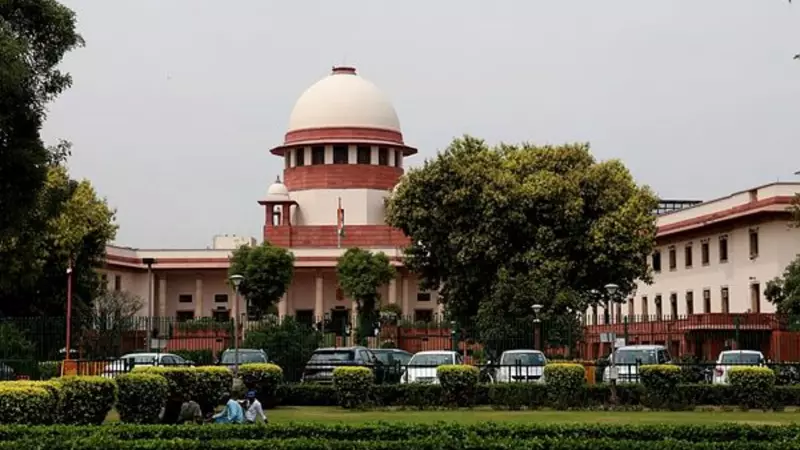
The Supreme Court of India will hear a crucial petition from Trinamool Congress leaders today. The petition challenges the Special Intensive Revision process for electoral rolls in West Bengal. A three-judge bench led by Chief Justice Surya Kant will preside over the hearing. Justices Dipankar Datta and Joymalya Bagchi complete the bench.
Allegations of Procedural Irregularities
Trinamool Congress MPs Derek O'Brien and Dola Sen filed the applications. They claim the Election Commission of India is using informal channels to issue instructions. The plea specifically mentions the use of WhatsApp messages to communicate with booth level officers. This method, according to the petitioners, creates an impossible situation for establishing a proper audit trail.
Previous Court Directive
Last week, a bench gave the Election Commission one week to respond. That bench included Chief Justice Surya Kant and Justice Joymalya Bagchi. The court order came after considering the initial applications from the TMC parliamentarians.

Concerns Over Voter Data Handling
The petition raises serious concerns about how voter data discrepancies are being handled. It points to what it calls the "logical discrepancy category." This category includes alleged mismatches in voter details identified by system algorithms.
These discrepancies involve several types of data issues:
- Spelling variations in voter names
- Inconsistencies in parental information
- Discrepancies in age-related data
- Other irregularities flagged by automated systems
The TMC plea argues these algorithmic findings are being used to summon voters for hearings. The petitioners describe these proceedings as quasi-judicial in nature. They contend the process lacks proper transparency and established legal procedure.
Today's Crucial Hearing
All eyes are on the Supreme Court today as this significant hearing takes place. The outcome could have substantial implications for electoral processes in West Bengal. The court's decision may set important precedents regarding the use of technology in voter list revisions.
The hearing represents another chapter in the ongoing legal scrutiny of electoral procedures. It follows increasing judicial attention to the technical aspects of election administration across India.