

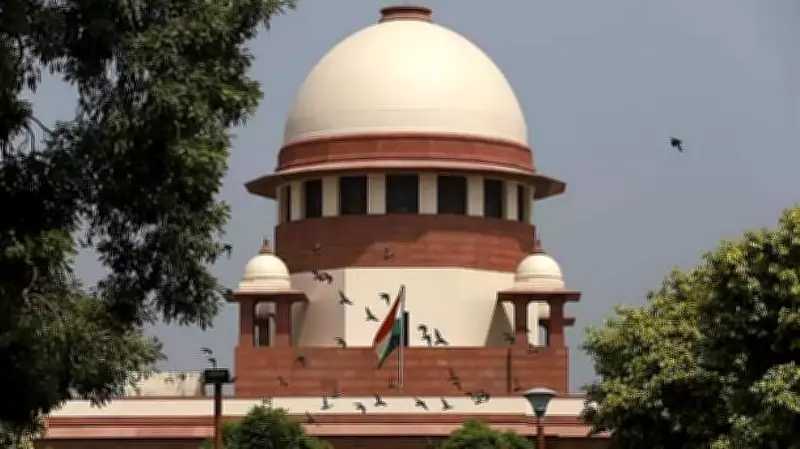
The Supreme Court of India has announced that it will conduct virtual hearings twice a week, aligning with Prime Minister Narendra Modi's recent call for austerity measures. The decision was made following the prime minister's direction to reduce operational costs and promote efficiency.
Key Decisions by the Supreme Court
Under the new arrangement, the apex court will implement a work-from-home policy for its staff on two days each week. Additionally, the court will adopt a hybrid mode of hearing cases from Tuesday to Thursday every week. This means that on these days, lawyers and litigants can choose to appear either physically in court or virtually through video conferencing.
Background and Context
Prime Minister Modi had recently urged all government institutions to adopt austerity measures in light of the current economic situation. The Supreme Court's move is seen as a direct response to this appeal. The court has been gradually integrating technology into its functioning, especially after the COVID-19 pandemic highlighted the need for remote work capabilities.

The hybrid mode aims to balance the benefits of in-person hearings with the convenience and cost savings of virtual proceedings. It is expected to reduce travel expenses for lawyers and litigants, as well as decrease the administrative burden on the court.
Reactions and Implications
Legal experts have welcomed the decision, noting that it could set a precedent for other courts in the country. The move is also likely to improve access to justice for individuals who may have difficulty traveling to the Supreme Court premises. However, some concerns have been raised about the technical infrastructure required to support seamless virtual hearings.
The Supreme Court has assured that all necessary arrangements will be made to ensure that the transition to a hybrid model is smooth and that the quality of proceedings remains high. The court will continue to monitor the implementation and make adjustments as needed.
This development marks a significant step in the digitization of India's judicial system, reflecting a broader trend towards embracing technology in governance and public services.






