Amit Shah Declares India 'Naxal-Mukt' Amidst Political Clash Over Maoism
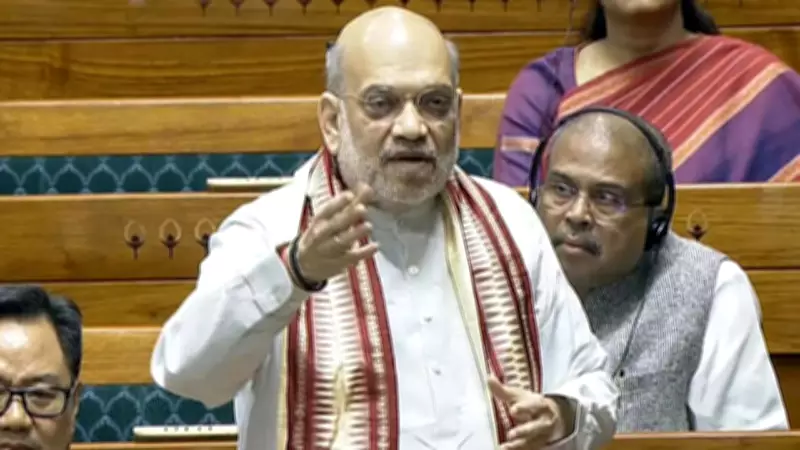
Union Home Minister Amit Shah on Monday asserted that India has achieved a significant milestone by becoming "Naxal-mukt," or free from Naxalism, labeling it as a top achievement of the Modi government. Speaking in the Lok Sabha during a discussion on efforts to eradicate Left-wing extremism, Shah emphasized the role of political will and security forces in this success, while launching sharp criticisms against the Congress party for its alleged associations with Naxal supporters.
Talks with Key Maoist Leader and Surrender Statistics
Shah revealed that negotiations are currently underway with the only active member of the CPI (Maoist) central committee, widely believed to be Mihir Besra, who operates in the Jharkhand region. He noted that other committee members have either surrendered or been eliminated, bringing the government closer to fulfilling its vow to eradicate Maoism. The home minister provided data showing that 706 Naxalites have been killed, 2,218 arrested, and 4,839 surrendered under the current administration.
Accusations Against Congress and Historical Context
In a strongly worded attack, Shah accused the Congress party of maintaining close ties with Naxal elements. He specifically targeted Leader of the Opposition Rahul Gandhi, alleging that Gandhi has shared public platforms with Naxals and their sympathizers on multiple occasions, including during the Bharat Jodo Yatra. Shah also referenced incidents such as a protest at India Gate where slogans were raised in favor of slain Naxal leader Hidma, with Gandhi reportedly posting a video of the event on social media.

Shah further claimed that during the UPA government, the national advisory council led by Sonia Gandhi included members linked to Naxalites. He cited examples like former minister Jairam Ramesh advocating for the release of Mahest Raut, arrested for Naxal connections, and the inclusion of Binayak Sen, known for pro-Naxal views, in the Planning Commission. Shah argued that these actions demonstrated Congress's ideological alignment with Maoists, contrasting it with the Modi government's firm stance.
Policy and Development Initiatives
The home minister outlined the government's dual approach: a "bullet for bullet" policy against those who refuse to surrender, coupled with development efforts in affected areas like Bastar. He dismissed the notion that Naxalism stems from tribal injustice or lack of development, instead blaming Naxalites for hindering progress. Shah highlighted the success in Chhattisgarh, attributing it to the defeat of the Congress-led government under Bhupesh Baghel, and criticized the Grey Hounds unit in Telangana for not fully cooperating with central anti-Naxal operations.
Historical References and Broader Implications
Shah placed the eradication of Naxalism alongside other key government achievements, such as the removal of Article 370, construction of the Ram Temple, enactment of GST and CAA, and women's reservation. He recalled past events, including the Salwa Judum movement started by Congress leader Mahendra Karma and its subsequent disbandment by Justice Sudarshan Reddy, whom Shah accused of ideological bias. The home minister also mentioned the celebration by JNU students after 76 police personnel were killed during the UPA era, condemning such actions as anti-national.
Addressing the role of intellectuals and "urban Naxals," Shah criticized the double standards in media coverage, noting that 2,000 articles have advocated for talks with Naxalites, but few have focused on their victims. He reiterated that Naxalism is an ideological armed struggle opposed to democracy, with roots in foreign Communist revolutions, and emphasized the government's commitment to protecting Indian interests.
Prime Minister's Endorsement
Prime Minister Narendra Modi praised Shah's reply as outstanding, highlighting how it presented important facts, historical context, and the government's decade-long efforts to combat Left-wing extremism. Modi noted that for decades, Maoist ideology had adversely impacted regional development, underscoring the significance of this achievement in enhancing national security and progress.