Eighteen years after Tata Motors abandoned its Nano project in Singur, the land remains derelict, and the political legacy of that decision continues to shape West Bengal's electoral landscape. When Ratan Tata announced in October 2008 that the project would shift to Gujarat's Sanand, it was not merely the exit of a factory. It marked the beginning of the end of the Left Front's 34-year rule in the state.
The Aftermath of the Tata Exit
The Singur controversy erupted in 2006 when the Left Front government acquired agricultural land for the Tata Motors small car factory. Protests led by Mamata Banerjee, then a opposition leader, forced Tata to pull out. The land, once intended for industrial development, now lies largely unused, with some portions returned to farmers but many remaining barren.
Political Legacy
The exit of Tata Motors became a rallying cry for Banerjee's Trinamool Congress, which swept to power in 2011. However, the unresolved land issue has left a bitter legacy. As the 2026 West Bengal assembly elections approach, Singur remains a symbol of lost industrial opportunity and political maneuvering. The state government has attempted to revive the area with new projects, but progress has been slow.

Current Status of the Land
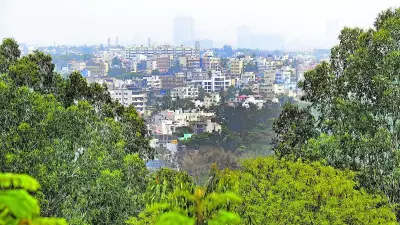
Of the 997 acres acquired, about 400 acres were returned to farmers after a court order in 2016. The rest remains under government control, with some plots used for a housing project and a university. However, many acres are still vacant, overgrown with weeds, and a reminder of the failed industrial dream.
Impact on Local Communities
Local residents are divided. Some farmers who got their land back have resumed cultivation, but others feel cheated by the broken promises of jobs and development. The younger generation looks to the future, hoping that the 2026 elections might bring new initiatives to revive the region.
Political Significance for 2026
Singur is expected to be a key talking point in the upcoming assembly elections. The Bharatiya Janata Party has criticized both the Left and Trinamool for the industrial loss, while the Trinamool defends its role in protecting farmers' rights. The Left, now a shadow of its former self, sees Singur as a cautionary tale of failed industrialization.
As West Bengal prepares for the polls, the ghost of Singur continues to haunt the political discourse, reminding voters of the complex interplay between development and land rights.