

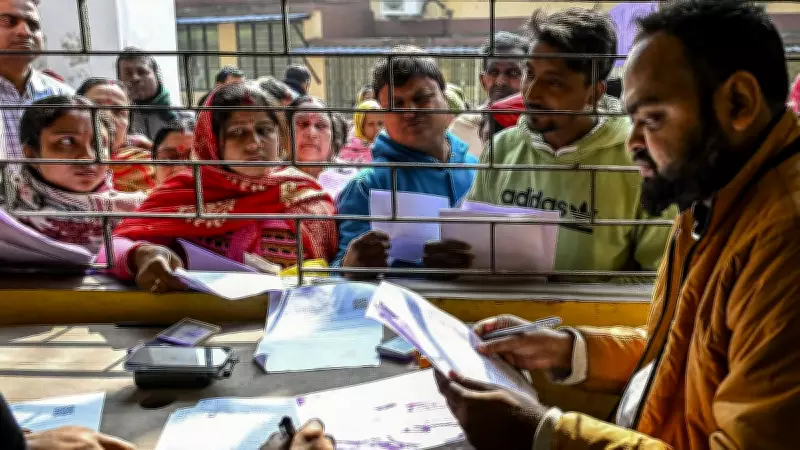
Can SIR Decide Poll Outcomes? West Bengal Emerges as Prime Test Case
The Special Intensive Revision (SIR) of electoral rolls has ignited significant controversy in West Bengal, positioning itself as the most debated topic in the lead-up to the crucial Assembly elections. This extensive revision process, aimed at updating and verifying voter lists, has become a focal point of political discourse, with implications that could potentially sway election results.
Controversy Surrounding Electoral Roll Revision
In West Bengal, the SIR initiative has generated maximum controversy, emerging as the biggest talking point among political parties, analysts, and voters alike. The revision involves a thorough and intensive verification of voter registrations, a process that has raised questions about transparency, accuracy, and potential political manipulation.
The timing and execution of the SIR have placed it at the heart of pre-election strategies. With Assembly elections on the horizon, every aspect of the electoral process is under intense scrutiny, and the revision of rolls is no exception. Political observers note that the outcome of this revision could directly impact voter demographics and, consequently, the electoral fortunes of competing parties.

West Bengal as the Ultimate Test Case
West Bengal is poised to serve as the best test case for evaluating the influence of the Special Intensive Revision on poll outcomes. The state's politically charged environment, combined with its history of closely contested elections, makes it an ideal setting to assess whether SIR can indeed determine election results.
The controversy stems from allegations and counter-allegations regarding the inclusion and exclusion of voters. Opposing political factions have accused each other of attempting to manipulate the electoral rolls to gain an unfair advantage. This has led to a highly polarized debate, with each side presenting its own narrative about the revision's integrity.
Implications for Assembly Elections
As the Assembly elections approach, the SIR has become more than just an administrative exercise; it has transformed into a political battleground. The revision's findings and the subsequent voter list will play a critical role in shaping campaign strategies and voter outreach efforts.
Key factors contributing to the controversy include:
- The scale and intensity of the revision process
- Allegations of partisan influence in voter verification
- The potential for significant changes in voter composition
- The timing relative to election schedules
Political analysts suggest that the way the SIR is perceived and its eventual impact on the electoral rolls could influence voter confidence and participation. A transparent and fair revision process might enhance electoral credibility, while any perceived irregularities could lead to disputes and legal challenges.
Looking Ahead: The Political Landscape
The Special Intensive Revision in West Bengal represents a critical juncture in Indian electoral politics. Its outcomes will not only affect the immediate Assembly elections but could also set precedents for how electoral roll revisions are conducted and perceived in future polls across the country.
As the debate continues, all eyes are on West Bengal to see whether the SIR will indeed prove to be a decisive factor in determining poll outcomes. The state's experience will provide valuable insights into the intersection of administrative processes and political dynamics in a democratic framework.






