

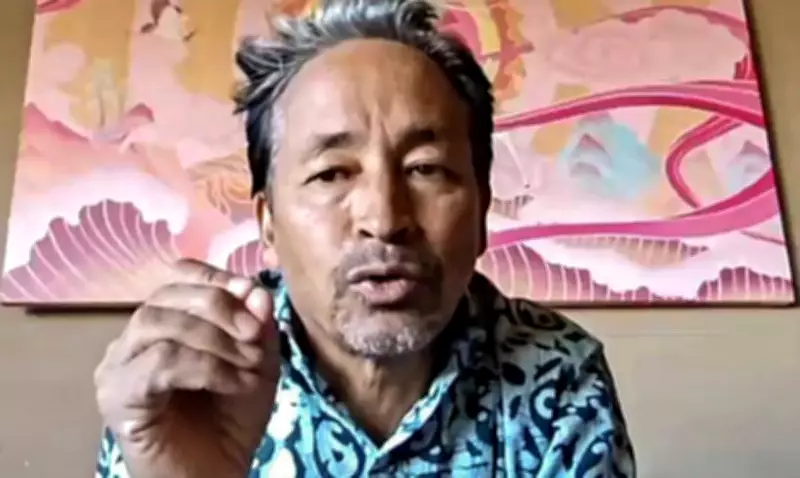
Sonam Wangchuk Provides Justification for Ladakh Agitation, Signals Readiness for Dialogue
Renowned environmental activist and innovator Sonam Wangchuk has publicly articulated the motivations behind the ongoing agitation in Ladakh, while simultaneously indicating a preparedness to participate in discussions with the central government should the situation require it. This statement comes amidst sustained protests in the region, where residents have been voicing concerns over issues ranging from political autonomy to environmental sustainability.
Core Demands and Environmental Imperatives
Wangchuk emphasized that the agitation is fundamentally rooted in the pursuit of greater autonomy for Ladakh and the urgent need for robust environmental safeguards. He highlighted that the region's unique ecological and cultural fabric necessitates specific protections that are currently inadequately addressed under existing administrative frameworks. The activist pointed to the fragile Himalayan ecosystem, which faces mounting threats from climate change and unregulated development, as a primary driver for the protests.
"Our movement is not merely about political rights; it is intrinsically linked to the survival of our environment and the preservation of our indigenous way of life," Wangchuk stated. He elaborated that the demands include:

- Implementation of the Sixth Schedule of the Indian Constitution to grant Ladakh tribal area status and ensure local self-governance.
- Strict enforcement of environmental laws to protect glaciers, wildlife, and natural resources from unsustainable exploitation.
- Guarantees for job reservations and land rights for the local population to prevent demographic and economic marginalization.
Openness to Constructive Engagement with the Centre
Despite the firm stance on these issues, Wangchuk conveyed a conciliatory approach by expressing his willingness to join talks with the central government if deemed necessary. He underscored that dialogue remains a preferred pathway to resolve the impasse, provided it is conducted in good faith and addresses the substantive concerns of the Ladakhi people.
"We are not averse to discussions. If the government demonstrates a genuine commitment to understanding and addressing our legitimate demands, we are ready to engage in meaningful conversations," he affirmed. This position aims to balance the assertive nature of the agitation with a pragmatic openness to negotiation, potentially paving the way for de-escalation and collaborative problem-solving.
Broader Context and Regional Implications
The agitation in Ladakh has gained significant momentum over recent months, drawing attention from national and international observers. Wangchuk's role as a prominent figure—credited with innovations like the Ice Stupa artificial glacier project—lends considerable weight to the movement, blending environmental advocacy with socio-political activism. His statements are likely to influence public perception and could impact the dynamics of future negotiations between Ladakhi representatives and central authorities.
Analysts suggest that this development might prompt the central government to re-evaluate its stance on Ladakh's demands, particularly in light of growing environmental consciousness and regional stability considerations. The situation remains fluid, with stakeholders closely monitoring any signals from New Delhi regarding potential talks or policy adjustments.






