

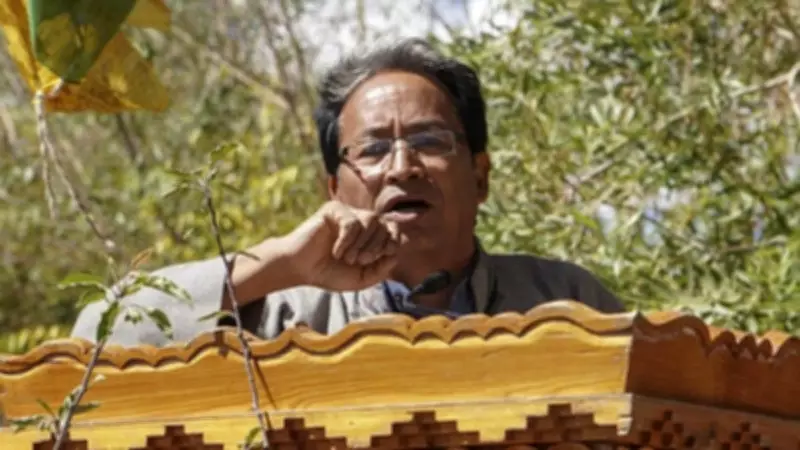
Sonam Wangchuk Released from Jodhpur Jail After Six-Month Detention
Environmental activist and innovator Sonam Wangchuk has been released from Jodhpur Central Jail after spending six months in detention. His release marks a significant development in the ongoing protests and legal battles surrounding Ladakh's demands for statehood and environmental protection.
Background of the Arrest and Detention
Wangchuk was arrested in connection with protests that have been ongoing in Ladakh, where activists and local communities have been advocating for statehood and stronger environmental safeguards. The protests have highlighted concerns over the region's autonomy and the impact of development projects on its fragile ecosystem.
His detention in Jodhpur jail, which began six months ago, drew widespread attention from environmental groups, civil society organizations, and international observers. Many viewed his arrest as a crackdown on dissent and a move to silence voices calling for greater rights and protections for Ladakh.

Implications for Ladakh's Statehood Movement
The release of Sonam Wangchuk is expected to reignite discussions around Ladakh's statehood demands. Activists argue that granting statehood would empower the region to better manage its resources and address environmental challenges, such as climate change and unsustainable development.
Wangchuk's advocacy has been instrumental in raising awareness about these issues, and his freedom may bolster the momentum of the movement. However, it remains to be seen how authorities will respond to continued protests and whether there will be any progress in meeting the activists' demands.
Reactions and Future Outlook
Following his release, there have been mixed reactions from various stakeholders. Supporters of Wangchuk and the Ladakh statehood movement have celebrated his freedom, viewing it as a victory for civil liberties and environmental activism. On the other hand, some government officials have maintained that the legal processes were followed appropriately during his detention.
Looking ahead, the focus will likely shift to how Wangchuk and other activists plan to continue their advocacy. With his release, there may be renewed efforts to engage in dialogue with government authorities and push for concrete actions on statehood and environmental policies.
In conclusion, Sonam Wangchuk's release from Jodhpur jail after six months is a pivotal moment in the ongoing struggle for Ladakh's rights. It underscores the tensions between development, environmental protection, and regional autonomy in India, and sets the stage for further developments in this critical issue.






